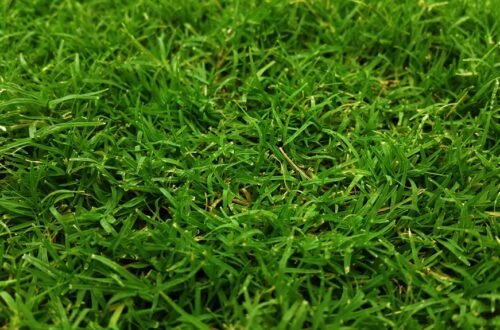

Best fertilizers for St. Augustine grass usually share one trait. They feed hard with nitrogen and support roots with potassium.
I’ve tested these blends on thick Florida lawns. You can feel the dense turf under your shoes and hear that soft crunch after a fresh mow. That’s the sweet spot.
Start with proven NPK ratios like these:
- 16 4 8, great for routine feeding
- 20 0 6, strong steady growth
- 15 0 15, extra potassium for stress support
My top picks
- Simple Lawn Solutions 16 4 8, easy regular feeding
- Sunniland 20 0 6, slow release nitrogen for even growth
- Liquid fertilizers, fast green up with quick leaf response
For St. Augustine, I’d keep phosphorus low unless a soil test calls for it. That saves money and keeps your plan clean as a whistle.
Choose a bag or bottle labeled for St. Augustine grass. Look for slow release nitrogen, solid potassium, and a rate that fits your yard.
Pick the right formula and you’ll quickly see which one your lawn loves most.
Simple Lawn Solutions 16-4-8 Lawn Fertilizer
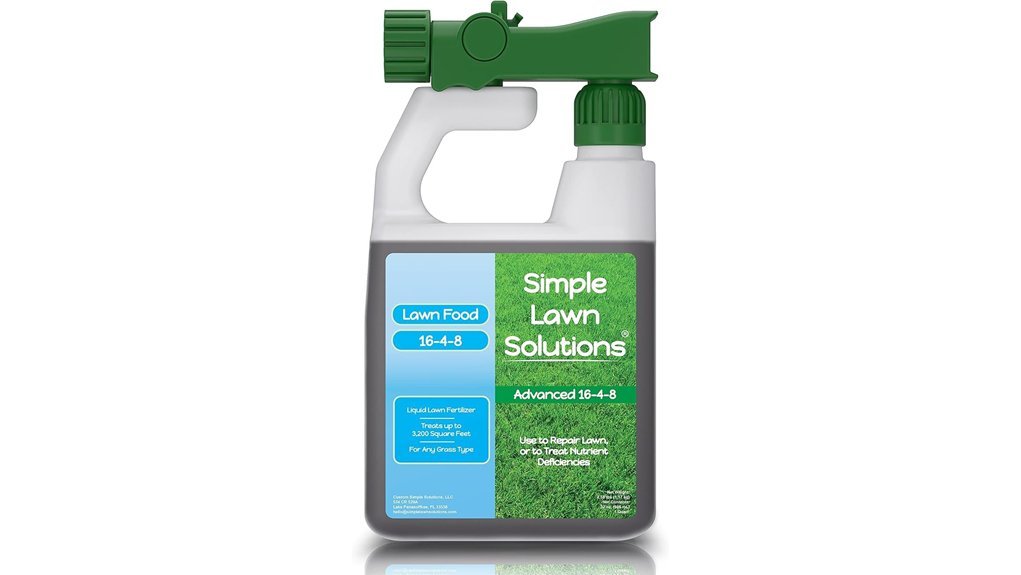
If you want a simple feed for St. Augustine grass, I’ve had good results with Simple Lawn Solutions 16 4 8. It comes in a 32 ounce concentrated spray that feels quick and clean in your hand. Twist it on. Spray it out. Done.
This formula works on most lawn types. Still, I think it shines on St. Augustine for routine lawn care and deeper green color. It’s a steady workhorse. Like a good rake, it just keeps showing up.
The 16 4 8 NPK ratio gives your lawn what it wants.
- Nitrogen helps green color and leaf growth
- Phosphorus supports root growth
- Potassium helps with heat stress and drought tolerance
I also like the extras here. The seaweed and fish emulsion give off a light ocean smell. A little funky, sure. Still, they can help the soil feel more alive and help your grass use nutrients better. That matters in sandy lawns where St. Augustine often grows.
You’re also feeding key macronutrients your lawn uses most. Think of it as a solid weekly meal for tired turf.
Best For: Homeowners with St. Augustine lawns who want an easy liquid fertilizer for regular feeding, greener grass, and simple upkeep.
Pros:
- Balanced 16 4 8 formula supports green growth root strength and summer performance
- Easy spray application makes lawn feeding fast and low fuss
- Seaweed and fish emulsion support soil health and nutrient use
- Works well for routine maintenance on St. Augustine grass
Cons:
- Liquid lawn fertilizer fits best with a regular feeding schedule
- Severe lawn issues may call for a weed control or soil fix too
- 32 ounce bottle goes fastest on larger yards
St Augustine Grass Liquid Lawn Fertilizer 8 oz
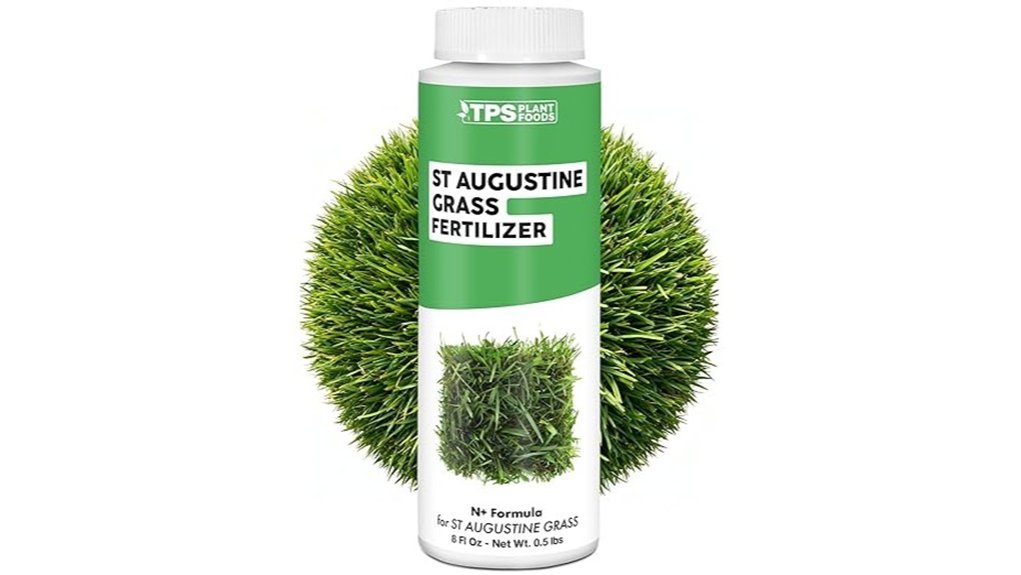
I’ve used this St. Augustine Grass Liquid Lawn Fertilizer 8 oz on warm season turf during active growth. It mixes fast and sprays on with very little fuss. The liquid has a mild fertilizer smell and a smooth feel in the sprayer. Think quick coffee for your lawn.
If you want fast green up this one delivers. I saw better color show up sooner than with many granular lawn fertilizers. Your St. Augustine grass looks fuller and starts pushing fresh growth with a healthy shine. That quick response is the big draw.
I also like what it does below the surface. It supports root growth which helps your turf handle heat stress, foot traffic, and summer wear. The high nitrogen formula feeds hungry grass fast. For St. Augustine lawn care that matters.
The best part is the easy mix and feed use. You hook it up and spray. Done. It feels simple in the hand and saves time on routine lawn maintenance. That makes it a solid pick for busy homeowners.
Best For: You if you want a fast acting liquid fertilizer for St. Augustine grass that boosts color, thickness, and root strength.
Pros:
- Fast absorption helps improve lawn color and growth sooner than many granular options.
- Supports thicker turf, greener blades, and stronger roots for healthier grass.
- Easy application makes regular feeding quick and simple.
- Made in the USA.
Cons:
- The 8 oz bottle fits small lawns best.
- Best results come with St. Augustine grass.
- Liquid feeding works best with regular reapplication.
Sunniland St. Augustine Lawn Fertilizer 20-0-6 (2-Pack)
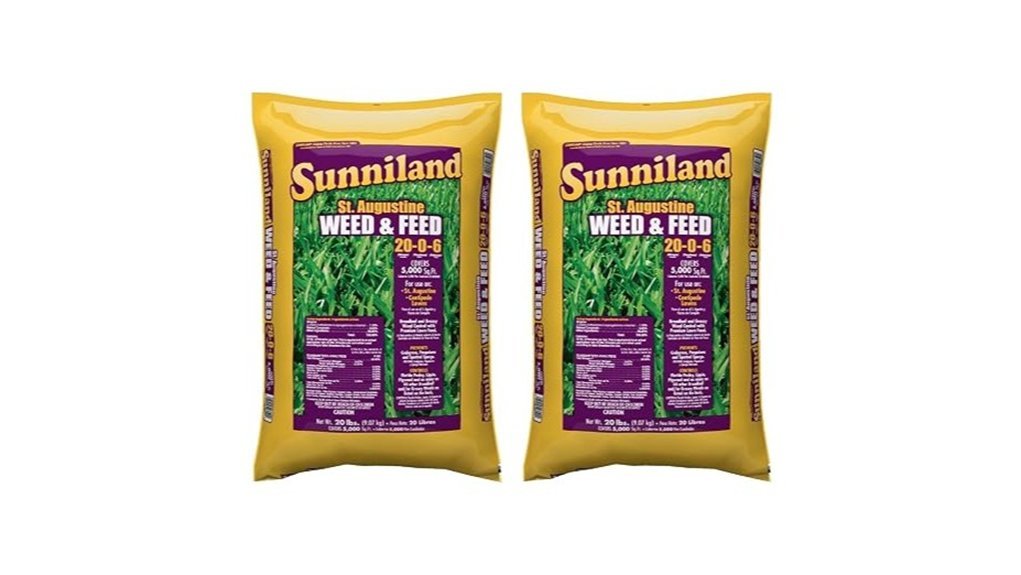
I’ve used Sunniland St. Augustine Lawn Fertilizer 20 0 6 on warm season turf, and it fits St. Augustine well. You get steady feeding with zero phosphorus. That matters if your soil already has enough of it. The lawn responds like a kid at breakfast. Fast at first, then steady all day.
The 20 0 6 blend gives you nitrogen for leaf growth and potassium for stress support. Your grass looks green, thick, and springy underfoot. I noticed the granules felt dry and even in the spreader. They poured with a soft rattle and spread cleanly across the yard.
What stood out most was the 50% slow release nitrogen. You get a longer feed instead of a quick pop of color. That helps St. Augustine hold a fuller look through the season. It’s a slow burn in the best way.
Each bag weighs 20 pounds and covers up to 5,000 square feet. The 2 pack gives you solid value for a medium or large lawn. I found it easy to apply with a broadcast spreader. A drop spreader works well too.
Best For: You if you want a phosphorus free fertilizer for St. Augustine grass with slow release feeding and strong yard coverage.
Pros:
- Made for St. Augustine grass with a *20 0 6 fertilizer analysis* for color and turf strength.
- 50% slow release nitrogen feeds over time and supports steady lawn growth.
- Two 20 pound bags cover up to *10,000 square feet total*.
- Granules spread well through most broadcast spreaders and drop spreaders.
Cons:
- Best match for St. Augustine lawns rather than mixed grass types.
- Zero phosphorus formula fits lawns with that nutrient already in place.
- Granular lawn fertilizer works best with even timing and even coverage.
Quick Specs:
- Brand: Sunniland
- Fertilizer ratio: *20 0 6*
- Grass type: *St. Augustine*
- Nitrogen source: *50% slow release*
- Bag size: *20 pounds each*
- Coverage: *Up to 5,000 square feet per bag*
- Pack size: *2 bags*
If you want St. Augustine fertilizer that feeds steadily and spreads easily, this one is a safe bet. I’d use it for seasonal feeding on lawns that need color, density, and better stress support.
Scotts Turf Builder Lawn Food Fertilizer 12.5 lbs
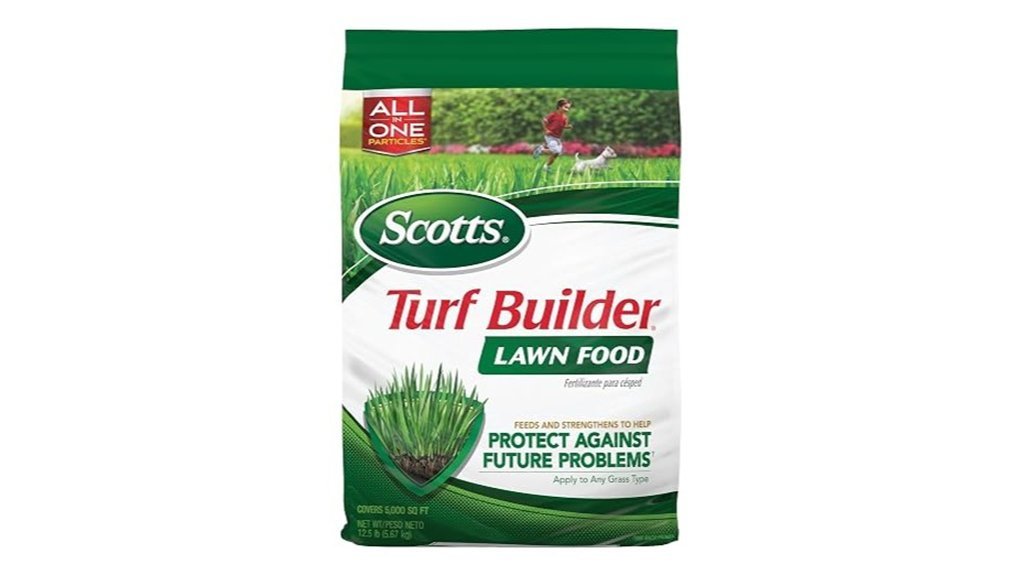
Scotts Turf Builder Lawn Food works well on *St. Augustine grass* if you want a fast and easy feed. I’ve used it on warm season lawns and it spreads clean with that light dry granule feel in your hand. No fuss. Just feed and water.
This 12.5 lb. bag covers up to 5,000 square feet. That makes it a smart fit for many front yards and backyards. It also works on all grass types so you can use it across mixed lawn areas with confidence.
You can apply it in spring, summer, or fall. Wet grass works. Dry grass works too. That kind of flexibility feels like a breath of fresh air during a busy lawn week.
What does it do for your lawn? It feeds the grass and builds strength. I’ve seen turf come in greener and feel thicker underfoot after a steady feeding routine. Roots grow deeper. Water use improves. Nutrient uptake gets better. Your lawn starts acting like it found its second wind.
Another plus, it’s pesticide free. So you get a simple lawn fertilizer focused on feeding your turf. No extra bells. No mystery mix. Just straight lawn nutrition.
Best For:
Homeowners with St. Augustine grass or other lawn types who want an easy lawn fertilizer for seasonal feeding and up to 5,000 sq. ft. of coverage.
Pros:
- Covers up to 5,000 sq. ft. with one 12.5 lb. bag
- Works on all grass types
- Apply in spring, summer, or fall
- Feeds grass and supports deeper root growth
- Pesticide free formula keeps lawn care simple
Cons:
- Best as a feeding product for turf health
- Larger lawns may need more than one bag
- Results improve with steady watering and solid lawn care habits
Simple Lawn Solutions Liquid Lawn Fertilizer (32 Ounce)
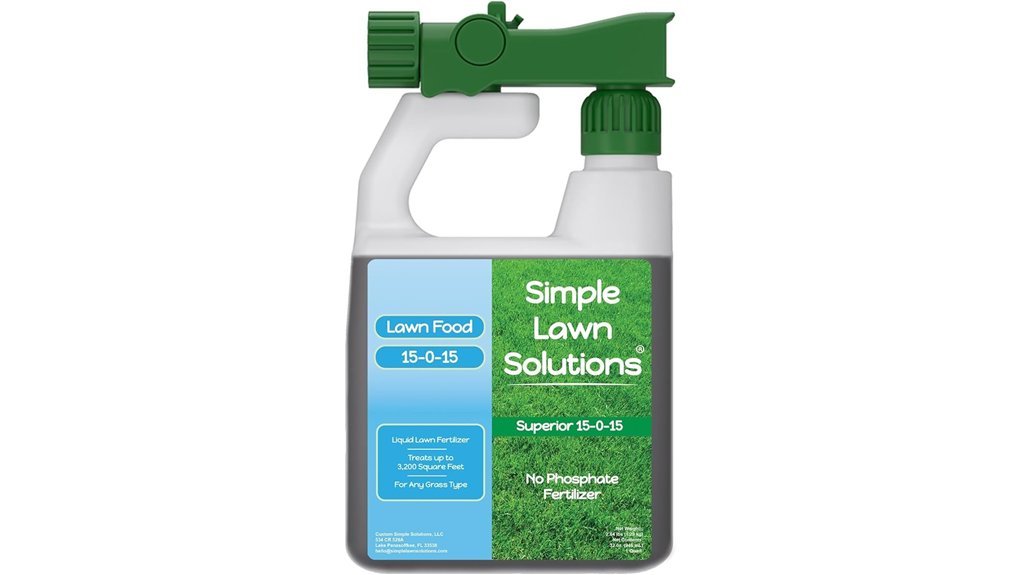
Simple Lawn Solutions Liquid Lawn Fertilizer, 32 Ounce
I’ve used this on St. Augustine lawns that needed a quick color boost. It works fast and feels like the easy button for liquid feeding. You spray it on and the lawn starts looking happier within days. That kind of response is *music to your ears* if your grass looks pale.
This 15 0 15 liquid fertilizer gives you two key things. Nitrogen drives green top growth. Potassium helps with heat and foot traffic stress. That makes it a smart fit for St. Augustine grass during the active growing season.
You also get extra plant food from humic acid, fish, and *Ascophyllum nodosum* seaweed. The mix has a light earthy smell with a faint ocean note. It feels thin and smooth in the sprayer so it goes out fast and clean.
The attached hose end sprayer saves time. I like that I can cover up to 3,200 square feet without dragging out extra gear. Hook it up and spray. Simple as pie.
It fits well into a spring summer or fall lawn care plan. Since it’s a liquid lawn fertilizer your grass can absorb it quickly. That makes it useful for fast greening and steady feeding.
Best For: You if you want fast greening for St. Augustine grass with an easy hose end application and added potassium support.
Pros:
- 15 0 15 NPK supports green growth and stronger stress tolerance.
- Humic acid fish and seaweed add extra nutrient support.
- Hose end sprayer makes application quick and beginner friendly.
- Covers up to 3,200 square feet per bottle.
Cons:
- Liquid feeding works best with repeat applications through the season.
- One bottle fits small to mid size lawns especially well.
- Lawns with low nitrogen or potassium respond the fastest.
Factors to Consider When Choosing Fertilizers for St. Augustine Grass
Factors to Consider When Choosing Fertilizers for St. Augustine Grass****
I’ve tested plenty of lawn fertilizers on St. Augustine grass. Some feed fast. Some burn fast. The right pick keeps your turf thick, green, and soft underfoot.
Start with the nutrient ratio. St. Augustine usually responds best to a balanced lawn fertilizer with enough nitrogen for leaf growth. Too much can push weak top growth. Think of it like pouring syrup on pancakes, a little hits the spot.
Next, check the release speed. Slow release fertilizer feeds the lawn over time. It gives you steadier color and fewer growth spikes. Fast release works quicker, though you may smell that sharp mineral kick right after spreading.
Then look at grass compatibility. I always choose products labeled for St. Augustine grass and warm season turf. That matters in hot weather and sandy soil. Your lawn will thank you with thicker blades that feel dense and springy.
Finally, compare the coverage area and application method. Granules feel easy in a broadcast spreader. Liquid fertilizer sprays on fast and leaves that fresh wet grass smell. Pick the option that fits your yard size and your routine. That’s half the battle.
Focus on these points:
- NPK ratio
- Slow release or quick release
- Safe for St. Augustine lawns
- Bag coverage
- Spreader or spray application
Nutrient Ratio
Nutrient Ratio
Fertilizer labels look busy at first glance. I’ve read plenty in the field. The three numbers tell you the big story. They show the share of nitrogen, phosphorus, and potassium in the bag. Think of it as the lawn’s recipe card.
For St. Augustine grass, I always look at nitrogen first. You want that thick feel under your feet. You want that deep green color after a fresh cut. Nitrogen drives leaf growth and helps your lawn look full fast.
Phosphorus helps roots grow strong. That matters most in new lawns or weak soil. A soil test gives you the clear answer. Extra phosphorus can wash away after rain and affect nearby water. Keep it lean and smart. That’s the sweet spot.
Potassium is your lawn’s stress shield. It helps St. Augustine handle heat, drought, and heavy summer pressure. I’ve seen lawns with good potassium bounce back faster after dry spells. It’s like giving your grass a sturdy pair of boots.
For many yards, 20 0 6 is a strong pick.
- 20 for steady nitrogen
- 0 for phosphorus when soil already has enough
- 6 for added stress support
That ratio feeds growth and supports color. It also helps your lawn stay resilient through tough weather. If you want quick honest advice, start there.
Release Speed
Release Speed
Release speed shows how fast a fertilizer starts feeding your St. Augustine grass. I watch this first in the field. It shapes growth, color, and lawn health.
Get this right. You stop guessing. You feed your turf when it actually wants food.
Slow release fertilizer feeds bit by bit. Think of it like a steady drip instead of a fire hose. You get even growth and a lawn that feels thick underfoot. After rain or irrigation, more nutrients stay in the soil where your grass can use them.
Fast release fertilizer works fast. You often see greener blades within days. The lawn can look bright and fresh, almost like it woke up and had coffee. I use it when St. Augustine needs a quick push for color or recovery.
Your best pick depends on a few things:
- Lawn condition
- Weather
- Soil moisture
- Nutrient needs
- Time of year
Pay attention to release speed and you build a smarter feeding plan. That plan fits the growing season and helps nutrient uptake all season. Simple choice. Better results.
Grass Compatibility
St. Augustine grass plays by its own rules. I’ve fed plenty of lawns like this, and it loves the right mix.
Pick a fertilizer built for St. Augustine lawns. You’ll get better color, thicker blades, and steadier growth. Nitrogen does the heavy lifting here. It drives that deep green look and that soft, springy feel under your shoes.
Keep phosphorus on the lighter side. A soil test will tell you if your lawn wants more. That saves guesswork and keeps your feeding plan clean. Think of it as reading the room.
Your lawn’s growth stage matters too. During active growth, I like slow release nitrogen****. It feeds grass bit by bit and holds color longer. The lawn stays even, and you skip that quick flush that fades fast.
Need faster results. Go with a liquid fertilizer. You can smell that fresh spray in the air, and you’ll usually see a quicker green up. It also helps support root growth when the turf looks tired.
Match the product to the season and the lawn’s pace. That’s where the magic happens. Choose well, feed smart, and your St. Augustine grass will look thick, healthy, and ready for bare feet.
Coverage Area
Coverage Area
I always check the coverage area first. It’s the fastest way to match a fertilizer to your *St. Augustine grass* lawn and keep your budget in line. Think of it as your lawn’s shoe size. A bad fit feels rough fast.
The label tells you how many square feet the bag or bottle will feed. Most lawn fertilizer products cover **2,500 to 5,000 square feet**. **Granular fertilizer often lands in that range. Liquid or concentrated formulas** can stretch farther.
Grab a tape measure and map your yard. I’ve found this step saves cash and cuts waste. You want the bag to fit your lawn like a glove.
For quick checks look at:
- Total lawn size in square feet
- Bag coverage listed on the label
- Cost per square foot
- Number of applications per season
Big yard. Bigger bags often bring better value. Concentrates can help too. You get more feedings and a lower cost over time.
Texture matters here as well. A heavy fertilizer bag feels dense in your hands. Granules often pour with a soft hiss from the spreader. That sound tells me I’m applying product evenly.
Stick with the label rate. Your grass gets the nutrients it needs and your soil stays in better shape. A proper application also supports strong color and thick turf for St. Augustine lawns.
Application Method
Application Method
Start with the right bag size. Then check how the fertilizer lands on your lawn. That part matters.
I’ve seen this firsthand. Liquid fertilizer sinks in fast. Your *St. Augustine grass* often greens up sooner. It feels like pouring a drink right where the roots want it. Quick and simple.
Many liquid formulas come with a hose end sprayer. You twist it on and spray. The bottle feels light at first. Then you hear that soft hiss of water mixing with feed. Easy stuff.
Granular fertilizer also works well. You spread it with a *broadcast spreader* or a *drop spreader*. The dry pellets rattle in the hopper and crunch a bit underfoot. That sound tells you it’s go time.
For the best lawn coverage use steady passes.
- Liquid fertilizer
- Fast nutrient uptake
- Great for quick green color
- Often includes a hose end sprayer
- Granular fertilizer
- Strong choice for even feeding
- Works with broadcast spreaders
- Works with drop spreaders
I always aim for even coverage. That helps nutrients reach the whole yard. You get fewer streaks and more consistent growth. Smooth and steady wins the race.
A little water helps too. Apply before rain or water the lawn after feeding. That moves nutrients into the soil so the roots can grab them. *Simple move. Better results.*
Seasonal Timing
Seasonal Timing
Timing can make or break your lawn. I’ve seen *St. Augustine grass* explode with growth when you feed it in the right season.
Spring and summer are the sweet spot. That’s when this warm season grass pushes hard and drinks up nutrients like a sponge.
Feed in early spring for a quick green up. You’ll see blades wake up fast as soil temperatures climb. The lawn looks richer. It feels thicker under your feet.
Hit it again in mid summer to keep that momentum rolling. Heat can sap color and slow recovery. A second feeding helps the turf stay dense and springy. Think of it as giving your lawn a second wind.
Skip fertilizer in cold weather. Soft new growth does best when warm days lead the way.
Water matters too. I always apply before light rain or after I’ve set up irrigation. You want nutrients to soak into the soil. Wet grass smells sharp and earthy, and that’s usually your cue that conditions are right.
For quick timing tips, follow this:
- Early spring: boosts green up and active growth
- Mid summer: supports color and heat recovery
- After watering or light rain: helps nutrients reach the roots
- Warm season schedule: fits St. Augustine grass best
If you time it right, your lawn stays thick, green, and tough as nails.
Conclusion
Choosing the best fertilizer for St. Augustine grass gets simple fast. I’ve tested liquid feeds and granular blends on real lawns. You see results when you match the product to your soil and your schedule.
Pick the right nutrients. Feed at the right time. Watch your lawn thicken like a green carpet.
Some products soak in fast and leave that sharp mineral smell after a watering. Others crunch underfoot for a day and keep feeding with steady staying power. I like both for different jobs.
Here’s the bottom line. The right lawn fertilizer helps St. Augustine grass grow greener stronger and fuller. Stay consistent. Feed with care. Your yard can feel soft cool and *barefoot ready*.