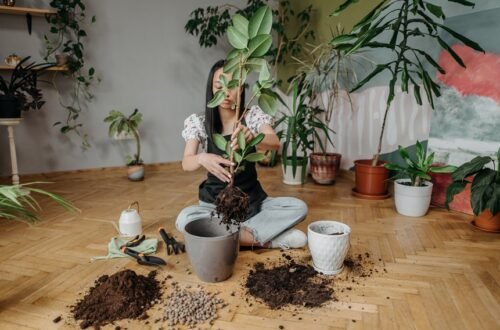
You want thick shiny leaves. I’ve tested dozens of feeds on rubber plants and I keep coming back to a balanced NPK fertilizer. It works like a steady heartbeat for growth.
Go liquid if you want fast results. You’ll see leaves perk up within days. The soil smells slightly earthy after a good feed and that’s a good sign.
Go slow release granules if you prefer a set it and forget it rhythm. They feel like tiny beads and break down over time.
Here’s what actually matters:
- Equal NPK ratio for balanced growth
- Nitrogen drives big leaf size
- Magnesium deepens that rich green color
- Well draining soil supports clean nutrient flow
I feed every two weeks in warm months. Growth pops like popcorn. I ease up in fall and winter. The plant rests and still looks good.
Think of fertilizer as fuel. Give the right type and your rubber plant shines like polished leather.
Miracle-Gro Indoor Plant Food Liquid 2-Pack 8oz
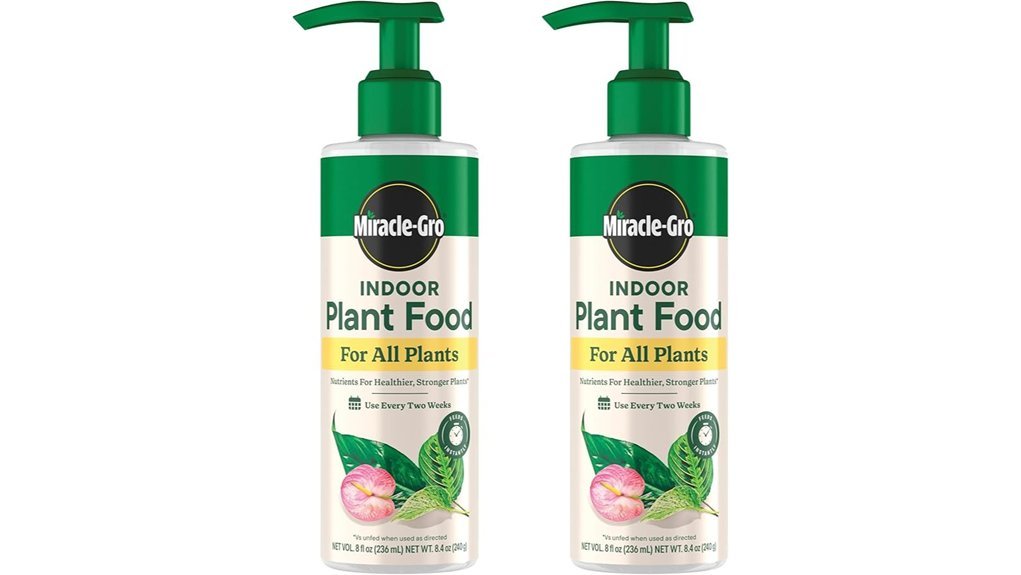
If you want a no fuss feed that just works, I keep reaching for Miracle Gro Indoor Plant Food Liquid. I’ve used it on rubber plants and the leaves perk up fast. The liquid feels smooth and the mild earthy smell tells you it’s active. Think of it like a quick drink after a long day.
You get two 8 ounce bottles so you stay stocked for weeks. I like the pump since it keeps my hands clean. You can feed straight into soil or mix four pumps in water. Growth shows up within days with glossier leaves and firmer stems.
Use it every two weeks for steady growth. Larger pots take two pumps per dose. It plays well with most houseplants and pairs nicely with standard potting mix.
Best For: You want a simple liquid fertilizer that fits any indoor plant routine.
Pros:
- Easy feeding with pump or water mix
- Fast nutrient uptake for visible growth
- Works across many houseplants
Cons:
- Needs a two week routine for best results
- Pump dosing feels less exact than a cap
- General formula fits most plants but skips specialty blends
Organic Liquid Indoor Plant Fertilizer 5-5-5 8oz
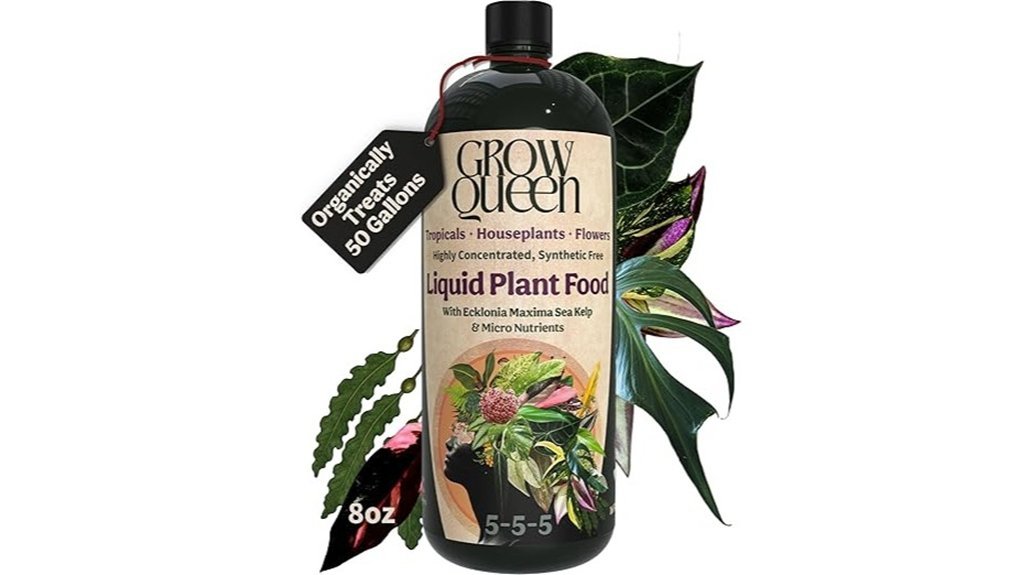
Gardeners who want a *steady hand* for rubber plants will like this balanced 5 5 5 organic liquid. I used it for months and saw calm even growth. Think of it as a slow rain that feeds roots.
You get sea kelp in every dose. It smells earthy and fresh. Kelp brings calcium and magnesium plus plant hormones. Leaves feel thicker and look richer green.
Mixing feels simple. I pour and stir and the liquid blends fast. It soaks in quick and keeps roots happy. The formula stays gentle so your home feels safe around pets and kids.
Use one serving per gallon each watering. You can also feed monthly for light care. Soil feels softer over time. Microbes thrive and help roots drink more nutrients. Growth stays smooth and lush all year.
Best For: You want a gentle organic feed for many indoor plants that keeps growth steady.
Pros:
- Balanced nutrition with sea kelp for trace minerals and hormones
- *Soft and clean feel* with a mild natural scent
- Easy mixing with quick uptake and visible leaf shine
Cons:
- 8 oz bottle suits small collections best
- Liquid mixing step adds a minute to your routine
- Mild action suits steady care more than fast recovery
Miracle-Gro All Purpose Plant Food 1.5 lbs
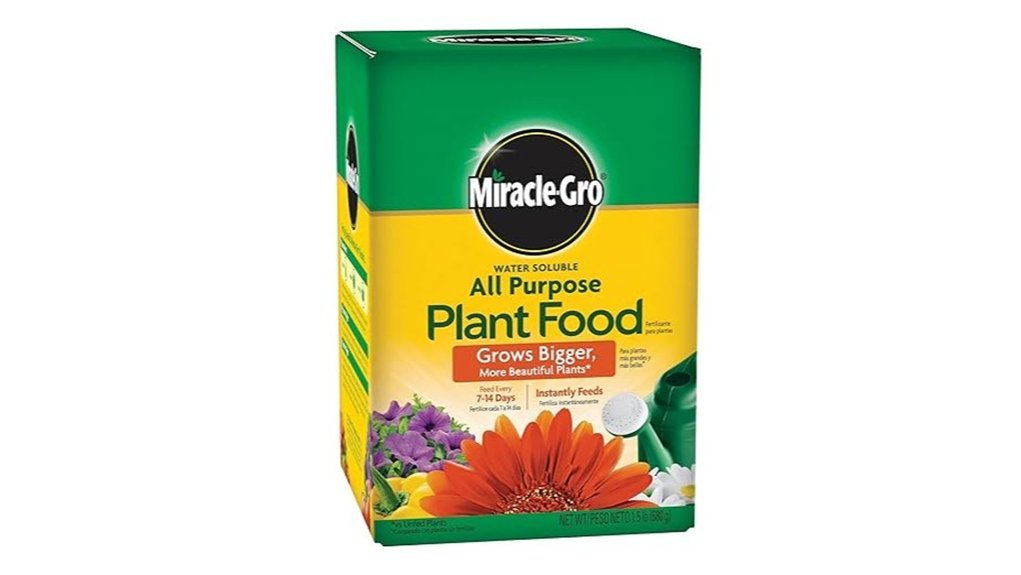
The water soluble formula mixes clean with no grit left behind. The 24-8-16 NPK ratio fuels leaf growth and root strength. It works right away so your plant perks up fast. Think of it like espresso for your plant.
For indoor use I mix half a teaspoon per gallon. Outdoors I use one and a half tablespoons per one and a half gallons. A garden feeder covers large beds with ease.
Best For: You want fast growth and simple feeding for rubber plants and more.
Pros:
- Instant feeding boosts color and leaf size fast
- Flexible use works indoors and outdoors
- Easy mixing blends smooth and feeds up to 600 sq ft
Cons:
- You mix each time which adds a step
- Careful measuring keeps feeding balanced
- General formula suits many plants yet some need specific blends
Purived All-Purpose Liquid Plant Fertilizer 16oz
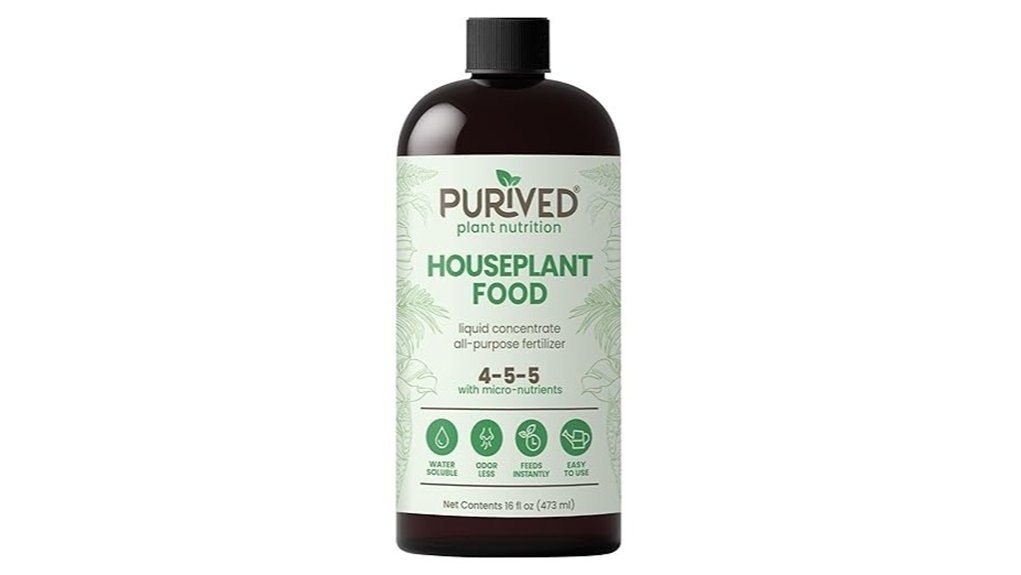
The liquid feels smooth and blends fast in water. No strong smell hits your nose. That matters indoors. The *nutrient rich mix* feeds roots and leaves fast. You’ll see fuller green growth within days. It works for soil drenches and foliar spray and hydro setups. One bottle stretches far so it pulls its weight.
Best For: You want a simple feed that works anywhere and keeps rubber plants thriving.
Pros:
- *Quick mix and instant feed* with one cap per gallon
- Works in soil foliar spray and hydro systems
- Odor free and lasts up to 50 gallons
Cons:
- You mix each time which adds a step
- Liquid bottle needs careful storage
- General formula suits most plants yet lacks a unique boost for heavy feeders
Miracle-Gro Shake ‘N Feed Plant Food
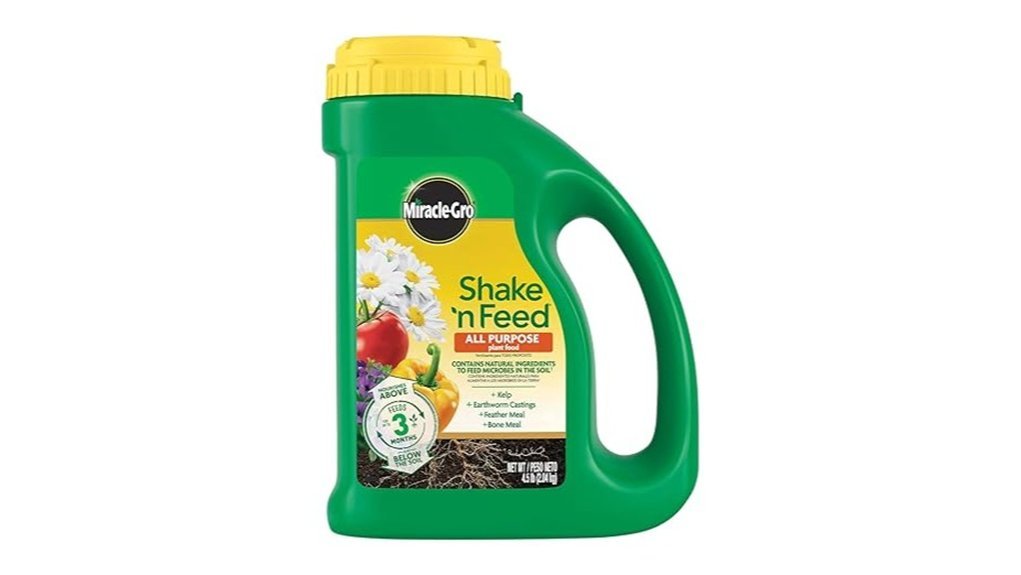
If you want a low effort routine that just works, I reach for this slow release formula. I’ve used Miracle Gro Shake N Feed on my rubber plant and it keeps growth steady. Granules feel dry and sandy in hand. You hear a soft sprinkle as it falls. Think set it and forget it.
It feeds for up to three months. You get key micronutrients for roots and leaves. I sprinkle evenly then scratch it into the top inch. Water wakes it up fast. I repeat every three months and plants stay even.
Best For: You want easy feeding for indoor and outdoor plants.
Pros:
- Feeds up to 3 months with one pass
- Boosts color and root strength with micronutrients
- Covers up to 180 sq ft per container use
Cons:
- Needs a fresh dose every 3 months
- Works best when mixed into the top soil
- Suits general feeding over precise schedules
Factors to Consider When Choosing Fertilizer for a Rubber Plant
I’ve fed a lot of rubber plants and I’ve seen what works fast.
Start with *balanced nutrients*. Your plant drinks in nitrogen for leaf shine. It sips phosphorus for roots. It leans on potassium for strength. Think of it like a steady diet. No spikes. No drama.
Next pick your style. I like liquid feed for control. It pours smooth and smells faintly earthy. You see results in days. Granules feel gritty in your hand. They release slow and steady. Organic blends feel rich and crumbly. Synthetic options hit quick and clean. Choose what fits your rhythm.
Match the soil. This step makes or breaks results. Loose soil feels airy and light. It lets roots breathe. Dense soil holds moisture like a sponge. Your fertilizer should sync with that texture. That way nutrients reach the roots without a fight.
Keep it simple. Feed smart and your rubber plant will reward you with thick glossy leaves.
Nutrient Balance Needs
I’ve fed a lot of rubber plants, and balance always wins.
Rubber plants love a balanced NPK fertilizer. Think equal parts nitrogen, phosphorus, and potassium. It’s like a steady diet that keeps everything in sync.
Nitrogen drives leaf growth. You’ll see thick glossy leaves you can almost feel shine under your fingers. Phosphorus builds strong roots. Roots anchor the plant and support steady growth.
Micronutrients matter too. Magnesium boosts chlorophyll which fuels that deep green color. Calcium supports cell strength so leaves feel firm and healthy.
Feed every four to six weeks in the growing season. I like to mix liquid fertilizer and catch that faint earthy smell as I water. It feels like giving the plant a fresh start each time.
Keep it simple and steady. Like a well tuned engine, your plant runs best on balance.
Key points to remember:
- Balanced NPK ratio for steady growth
- *Nitrogen* for lush leaves
- *Phosphorus* for root strength
- *Magnesium and calcium* for leaf health
- Feed every four to six weeks
Stick with this rhythm and your rubber plant grows tall with rich color and strong roots.
Organic Vs Synthetic
I’ve used both on rubber plants. You feel the difference fast.
Organic fertilizer feels like rich forest soil. It smells earthy and alive. You feed the plant slowly and steadily. Nutrients release over time. Roots grow strong like a deep anchor. Soil stays soft and crumbly. Microbes thrive and help your plant drink better.
Synthetic fertilizer feels sharp and mineral like. Granules crunch in your hand. You get fast growth and bold green leaves. It hits like a quick shot of energy. NPK levels stay precise and predictable. Results show in days.
Here’s how I break it down:
- Organic
- Slow release feeding
- Builds soil structure
- Adds trace minerals
- Supports microbes
- Higher cost and lower shelf access
- Synthetic
- Fast nutrient delivery
- Strong NPK control
- Easy to measure
- Widely available
- Lower upfront cost
I pick organic when I want long term soil health. I grab synthetic when I need a quick boost. Think of organic as a slow cooked meal. Synthetic acts like fast fuel.
Choose based on your rhythm. Your plant will tell you what works.
Liquid Or Granular
Liquid vs Granular Fertilizer for Rubber Plants
I’ve used both on my own rubber plants. The difference shows up fast.
Liquid fertilizer hits like a quick espresso.
You mix it with water.
You pour and watch the soil soak it in.
Roots grab nutrients right away.
Leaves often feel firmer within days.
Growth picks up speed.
It suits a tired plant that needs a lift.
Granular fertilizer moves like a slow drip.
You press the pellets into the soil.
They feel gritty between your fingers.
Water breaks them down over time.
Nutrients release in a steady flow.
This feeds your plant for weeks.
Less work for you in the long run.
Here’s how I decide.
- Need fast growth or recovery? Go liquid.
- Want steady feeding with less effort? Pick granular.
- Busy schedule? Granular saves time.
- Hands on care? Liquid fits your routine.
Light and warmth shift how each type works.
Bright light pushes faster nutrient use.
Cool rooms slow everything down.
Think of it like cooking.
Liquid acts like a flash fry.
Granular simmers like a slow stew.
Choose based on your plant’s mood.
You’ll see the difference in leaf shine and strength.
Feeding Frequency Requirements
Feeding Frequency for Rubber Plants****
I’ve fed a lot of rubber plants. You can feel the difference in the leaves. They turn thick and glossy like soft leather.
Spring and summer drive growth. Feed every four to six weeks. Your plant drinks it up like a runner at a water stop.
Use a balanced fertilizer with an NPK near 3-1-2. I like how it smells faint and earthy. It supports leaves and roots.
Fall and winter slow things down. Feed every two to three months. Growth feels quiet and steady.
Watch the leaves. Yellow hints at hunger. Weak stems feel soft in your hand.
Avoid heavy doses. Follow the label and water well. Roots stay safe and firm.
I adjust based on what I see. You should too. Consistency beats big feeds every time.
Quick guide
- Spring and summer: every 4 to 6 weeks
- Fall and winter: every 2 to 3 months
- NPK target: 3-1-2
- Signs to watch: yellow leaves and soft growth
Keep it simple. Think of it like a steady diet for strong indoor growth.
Soil Compatibility Factors
I test fertilizers in gritty mixes and I feel the texture with my fingers. Loose soil feels like fresh crumbs. Your rubber plant loves that.
Pick blends made for well draining potting soil. Heavy granules press roots like wet clay. Air keeps roots alive and active.
I lean on *organic feed*. It smells earthy and rich. Microbes wake up and keep the soil lively. Think of it as a tiny city under your plant.
Watch pH like a hawk. Aim for 6.0 to 6.5. This sweet spot keeps nutrients ready for uptake.
Release speed matters. Slow release feeds act like a steady drip. Liquids hit fast and give a quick boost.
Check NPK on the label. Match it with what your soil already holds. Balance keeps leaves glossy and firm.
Here is how I choose fast:
- Soil type: chunky mix with bark or perlite
- Fertilizer form: slow pellets for routine, liquid for quick fixes
- pH range: stays near 6.0 to 6.5
- Microbial support: organic inputs for soil life
- NPK ratio: fits current plant needs
Get this match right and your plant drinks nutrients with ease. Roots stay calm and strong. Growth stays steady like a well tuned engine.
Plant Growth Stage
When your rubber plant is young it wants nitrogen. I see faster leaf push and richer green. The leaves feel thick and a bit waxy. Go for a high nitrogen fertilizer. Think of it as green fuel.
As it ages switch to a balanced NPK. You keep leaf growth and build roots at the same time. The plant feels sturdier in the pot. During flowering raise phosphorus. You get better blooms and steady health. Like feeding an athlete the right meal at the right time.
Feeding rhythm matters too. In spring and summer I feed more often. Growth hums and soil smells fresh after watering. In winter I slow the schedule. The soil stays calm and clean.
Quick guide I follow:
- Young stage: high nitrogen feed
- Mature stage: balanced NPK
- Flower stage: higher phosphorus
- Warm months: feed more often
- Cool months: feed less often
Match food and timing to each stage. You keep your plant lush and strong all year.
Conclusion
You expect a rubber plant to coast on neglect. I did too. Then I tested feeds side by side.
I use a balanced liquid fertilizer. Think 10 10 10 or 3 1 2. It smells faint and earthy. The leaves feel thicker within weeks. Like giving your plant a steady drumbeat.
Go light on dose. I use half strength. Roots stay calm. Growth stays steady.
Stick to a simple rhythm. I feed every two weeks in spring and summer. I pause in winter. Consistency wins the race.
Light does the heavy lift. Bright indirect light drives leaf shine. Fertilizer plays support.
Here is what works in real use:
- Balanced NPK for even leaf and root growth
- *Liquid form* for quick uptake
- Low dose for smooth feeding
- Clear schedule for repeat results
I watched new leaves unfurl like polished leather. You can feel the difference. Thick and glossy.
Pick a feed that fits your routine. Keep it simple. Patience pays off.