
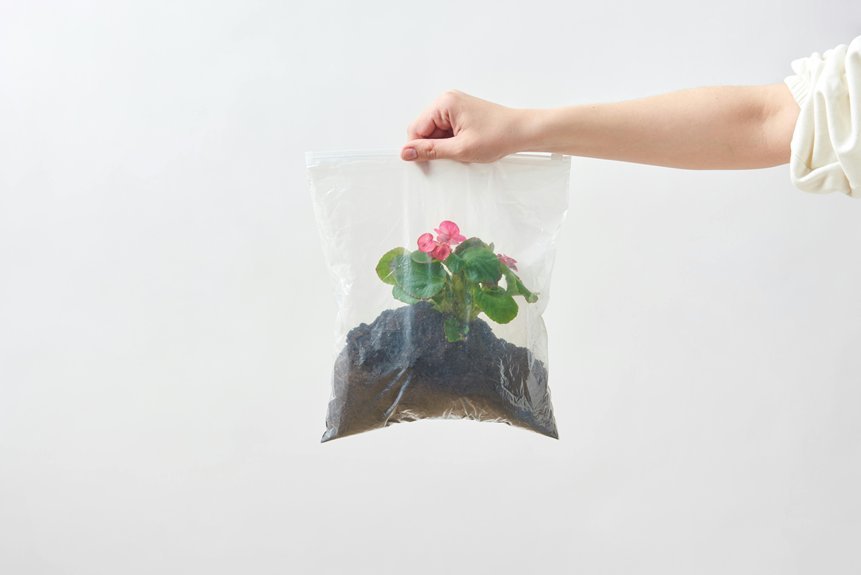
I’ve grown angel wing begonias for years and soil makes or breaks them. Get this right and the plant shines.
Go light and airy****
Your fingers should feel a soft spring when you press the mix. Think of a sponge that breathes. That texture keeps roots active.
Core blend I trust
- Peat moss or coco coir for gentle moisture
- Perlite or pumice for air pockets
- A pinch of bark for structure
Each piece plays its part like a good band.
Dial in the pH
Aim near 6 for a slight tang in the soil. Roots sip nutrients better at this level.
Feed the life
Add worm castings for a rich earthy smell and slow nutrition. I see fuller leaves within weeks.
Texture over weight
Heavy soil feels like wet clay in your hand. A lighter mix drains fast and still holds a kiss of moisture.
Quick tweak that works
I mix one extra scoop of perlite in humid rooms. It keeps airflow steady and roots happy.
Stick with this setup and you’ll see steady indoor growth. Keep it simple and your begonia rewards you.
Gardenera Organic Begonia Soil Blend (1 Quart)
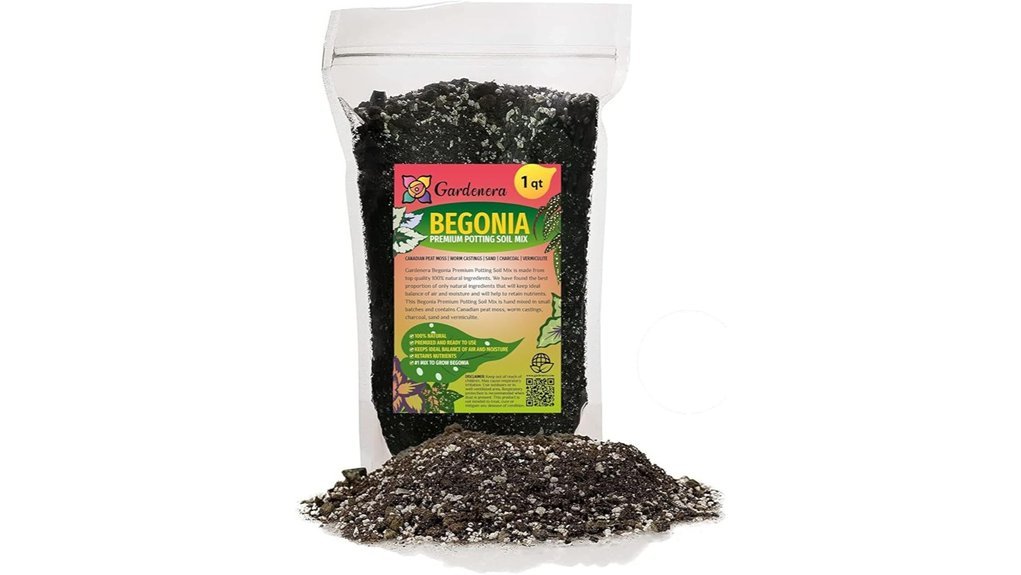
If you want a ready mix for angel wing begonias, I’ve used Gardenera’s *Organic Begonia Soil Blend* and it delivers. The texture feels light in your hand. It smells earthy and clean. You get Canadian peat moss that holds moisture steady. Worm castings feed your plant with gentle organic nutrients. Charcoal keeps the mix fresh and airy. Think of it like a well-tuned engine for your roots.
I noticed faster leaf growth after repotting. Roots spread with ease. The sand and vermiculite keep airflow strong. Water drains well yet the soil stays slightly damp. You skip mixing ratios and guesswork. Just open the bag and plant.
Best For: You want a simple soil that keeps begonias thriving indoors or outside.
Pros:
- *Strong root support* with a balanced organic blend
- *Moist yet airy feel* that keeps watering easy
- *Cleaner soil* thanks to charcoal and natural inputs
Cons:
- Small 1 quart bag limits larger repots
- Focus stays on begonias so plant range feels narrow
- Premium mix raises the price point
It’s a plug and play option. You get steady results with less effort.
Gardenera Premium Begonia Potting Mix (1 Quart)
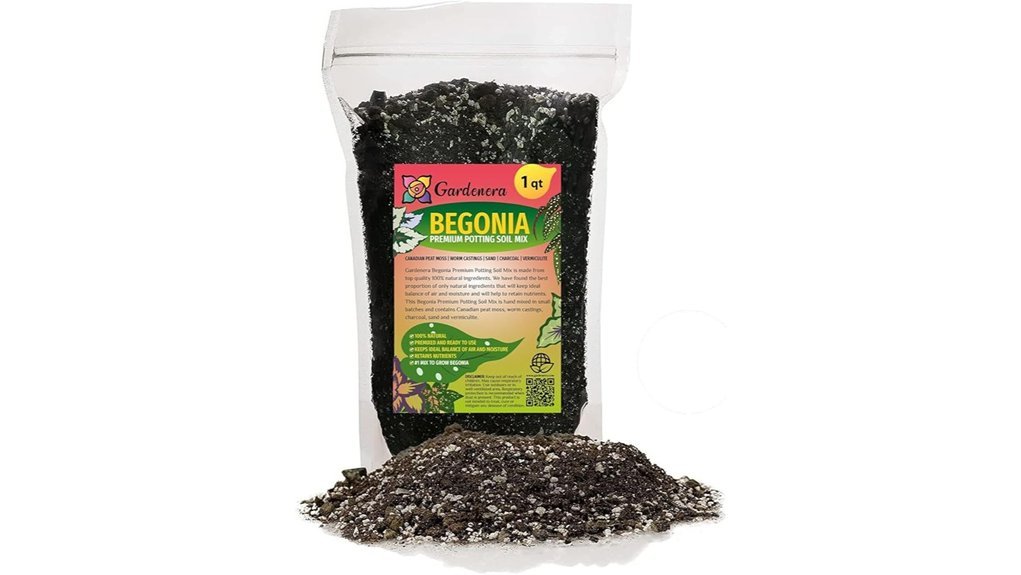
For indoor growers who want a ready mix, I’ve used this and it feels dialed in. The texture feels light and crumbly. It smells earthy and clean like fresh soil after rain. You get a Begonia specific blend that keeps roots happy without guesswork.
Canadian peat moss holds moisture so your pot stays evenly damp. Vermiculite adds a soft sponge feel. Sand keeps air moving so roots can breathe. Charcoal freshens the mix and cuts funk. Worm castings feed your plant gently for steady growth and *reliable blooms*. It’s like giving your begonia a balanced diet.
I used it in small pots and saw faster rooting. Leaves came in glossy and full. You can use it inside or outside. It really shines in containers where control matters most. Your angel wing types will *focus on rooting* and push new growth with less fuss.
Best For: Indoor and container gardeners who grow begonias and want a ready mix that holds moisture well.
Pros:
- Supports root health and strong foliage with steady flowering
- Holds moisture while keeping airflow in the root zone
- Adds gentle nutrition from worm castings plus charcoal for cleaner soil
Cons:
- One quart runs small for big planting jobs
- Works best for begonias so other plants may want a different mix
- Peat base may feel off for eco focused growers
Miracle-Gro Organic Indoor Potting Mix 16 qt
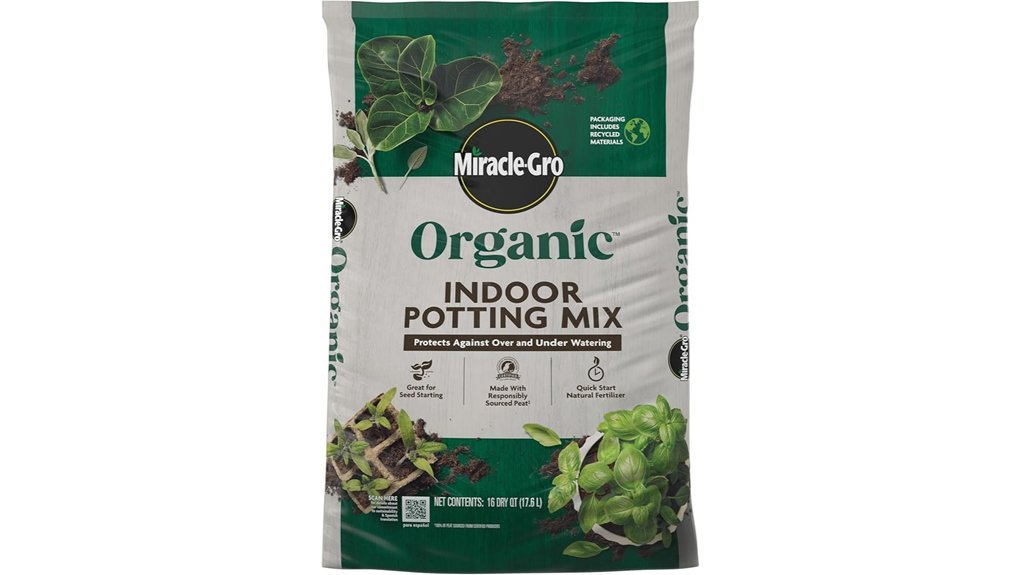
I’ve used this mix for begonias on my own shelf and it feels light and springy in your hands. The peat and coir blend holds water like a sponge yet still breathes. Your angel wing begonia settles in fast and roots grab hold. It’s like giving your plant a soft landing.
You get a quick start organic fertilizer that feeds right away. I noticed a faint earthy smell when I opened the bag which signals fresh organic matter. Growth kicks off without fuss. The mix keeps air pockets open so roots stay active.
Because it’s OMRI listed you garden with organic standards indoors. I fill a pot then set the plant then water until it drains. One bag fills a 12 inch pot with ease. It takes the guesswork out of watering and keeps stress low.
Best For: You want an easy organic potting mix for houseplants herbs seeds and transplants.
Pros:
- Moisture balance feels just right in hand
- Starter feed gives roots an early push
- OMRI listed supports organic indoor growing
Cons:
- One bag suits a single medium pot
- Nutrients taper so you add feed later
- Peat content raises sustainability concerns for some growers
Begonia Angel Wing – 4” from California Tropicals
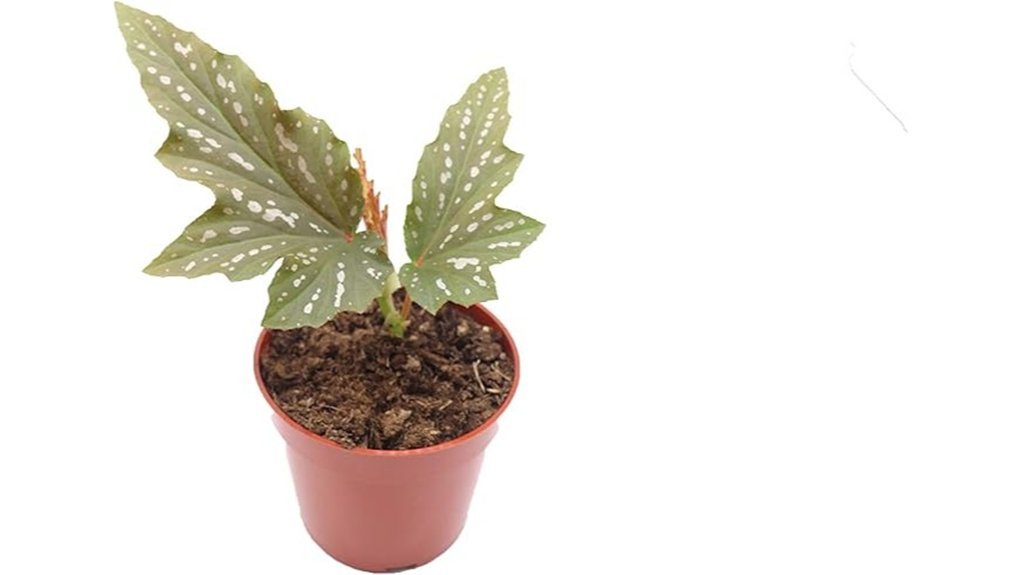
Indoor plant fans get a treat with the Begonia Angel Wing. I’ve kept this 4 inch pot on my desk and it pops. The leaves feel smooth and firm. Silver spots catch light like paint flicks. It’s a real *eye candy* piece.
You get a rooted plant that settles fast. I placed mine straight into a bright corner. It looked display ready on day one. Pair it with a well draining soil mix and you’ll see steady growth. Water feels simple once you find a rhythm.
Light matters here. Give it bright indirect light and the leaves stay bold. Touch the soil and keep it slightly moist. The plant rewards you with clean upright growth. It also works as a *gift that speaks louder than words*.
California Tropicals delivers solid stock. My plant arrived healthy and pest free. Expect slight variation in leaf shape. That adds a unique charm.
Best For:
Indoor plant lovers who want a compact foliage plant that stands out in home or office spaces.
Pros:
- Fully rooted and display ready
- Spotted wing shaped leaves draw the eye
- Small size fits tight spaces with ease
Cons:
- Thrives with airy soil and steady care
- Prefers bright indoor light for best color
- Each plant shows slight natural variation
Doter All-Natural Potting Soil for Indoor Plants
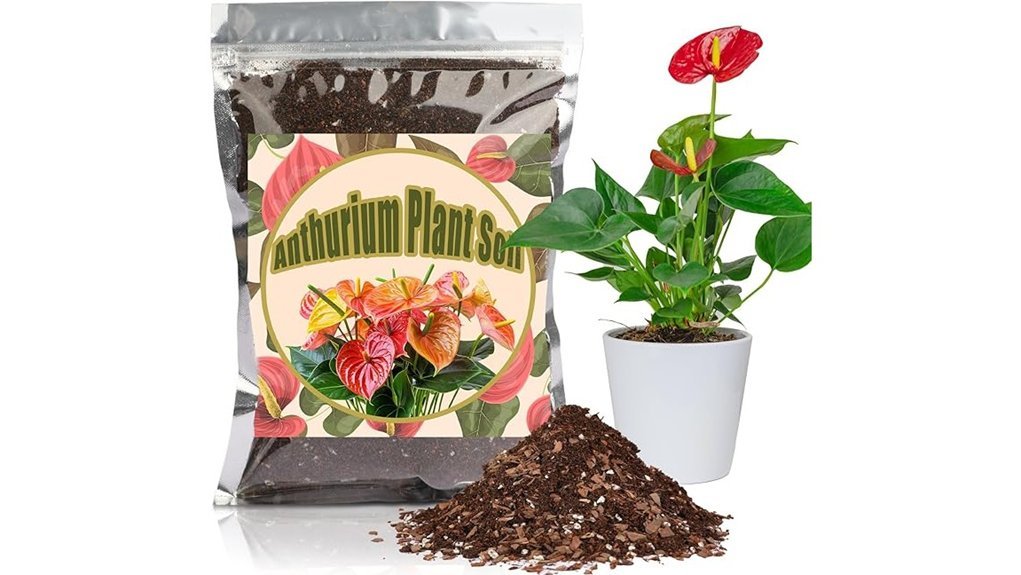
Gardeners want *fast drainage* and easy care. I tested Doter All-Natural Potting Soil with my angel wing begonias. The mix feels light in your hand. It smells earthy and fresh like forest mulch. Water flows through with a soft hiss. Roots stay airy and happy.
Pine bark and perlite drive that airflow. Your plant avoids rot and stress. Peat moss and sand hold just enough moisture. Lime keeps pH steady for healthy growth. It works like a well-tuned sponge. You pour it in and get going.
I found it fits anthuriums well. Begonias share similar needs so it shines here too. The one quart bag suits small pots. Bigger bags handle full repots. You also get a 4.6 star rating and a 30 day return policy for peace of mind.
Best For: Indoor growers who want simple care and strong drainage for anthuriums or angel wing begonias.
Pros:
- Excellent drainage from pine bark and perlite
- Balanced moisture from peat moss and sand
- Beginner friendly with a simple pour and plant flow
Cons:
- Small bag suits compact pots
- Blend targets specific plant types
- Fewer reviews than big name brands
Factors to Consider When Choosing Soil for Angel Wing Begonia
When I pick soil for an angel wing begonia, I think light and airy first. Roots love space. They hate soggy feet. A good mix feels fluffy in your hand and crumbles with a soft, dry sound.
You want moisture that lingers just right. Think of a wrung sponge. Damp yet never heavy. That balance keeps leaves glossy and growth steady.
I always check texture next. *Fine particles pack tight*. Chunky bits like perlite or bark open things up. Your fingers should feel both soft soil and small airy gaps.
Nutrients matter too. Rich organic matter gives a faint earthy smell. That scent tells me the plant will feed well over time.
Keep pH slightly acidic. Around 6 works great. This helps roots absorb nutrients with ease.
Quick checklist I use:
- Good drainage with perlite or pumice
- *Moisture retention* from peat or coco coir
- Loose structure for root airflow
- *Organic matter* for steady feeding
- Slightly acidic pH for healthy uptake
Get this mix right and your begonia will reward you. Lush leaves. Strong stems. Zero drama.
Drainage And Aeration
I’ve tested a lot of mixes and Angel Wing Begonias always reward a light touch. Their roots feel like soft threads and they crave air. Think of the soil like a sponge that breathes.
Fast drainage matters. Water should slip through with a soft trickle. You want moisture that lingers just enough to keep roots happy. A loose mix keeps growth steady and roots clean.
I build my go to blend with simple parts:
- Perlite for airy pockets
- Coarse sand for grit and flow
- Horticultural charcoal for fresh smell and root support
Each piece opens space so oxygen can reach deep. You can feel the difference as the mix stays fluffy in your hand.
Dense soil feels heavy and dull. A light mix feels springy and alive. That texture tells you roots can stretch with ease.
Add a bit of peat moss or worm castings. These bring a soft earthy scent and hold gentle moisture. The result stays loose and supports strong overall plant health.
Moisture Retention Balance
I’ve grown these indoors for years. Moisture makes or breaks them. Think of it like a sponge that stays soft to the touch.
Keep the soil lightly moist at all times. You want a cool damp feel, like fresh soil after rain. Roots love that balance.
Use a smart mix that holds water and breathes.
- Peat moss or vermiculite holds moisture
- Perlite or coarse sand boosts airflow
- A loose potting mix keeps roots active
Stick your finger in the top inch. It should feel slightly damp. That simple test works every time.
Too dry and leaves droop fast. Too wet and roots turn mushy. You’ll spot yellowing and a sour smell in the soil.
I water when the surface just starts to lose that cool feel. It keeps growth steady and leaves glossy.
Dial in that balance and your begonia thrives like a well tuned engine.
Organic Nutrient Content
I’ve tested plenty of mixes and this is where many win or fail. *Organic matter drives growth.* You see it in leaf size and bloom pace.
Rich mix feels soft and earthy in your hand. It smells like fresh soil after rain. That tells you life is active inside.
Worm castings shine here. They act like a slow drip of fuel. You get steady nitrogen that builds strong stems and deep green leaves.
Peat moss pulls its weight too. It holds water like a sponge. Roots stay hydrated and active through the day.
As these parts break down they wake up microbes. Think of it as a tiny workforce in the soil. They help roots grab nutrients with ease.
Balance matters most. You want air pockets and drainage with that organic boost. Roots breathe while they feed.
What I look for in a good mix:
- Dark rich texture that feels soft
- Mild earthy smell
- Visible organic bits like castings
- Light structure that drains well
Get this right and your begonia grows like it found its happy place.
Soil Texture Structure
Soil Texture and Structure That Roots Love
I’ve handled mixes that feel like fresh coffee grounds and others like wet clay. You want the first. Light. Airy. Alive.
Roots need space to stretch and breathe. A tight mix feels like walking in mud. A loose mix feels like a spring mattress.
Blend smart. I use peat moss for soft moisture. Vermiculite adds a silky hold. Perlite pops like tiny beads and keeps air moving.
Then I toss in bark or coarse sand. You can hear the crunch as you mix. That sound means airflow.
Water should flow through with a soft trickle. The mix should feel springy in your hand. Think sponge cake. That’s your target.
Worm castings bring a rich earthy smell. They feed roots and keep the mix open. I’ve seen roots explode with this combo.
If your soil feels heavy, fix the texture fast. Add more airy parts until it loosens and drains with ease.
Quick mix guide I trust:
- Peat moss for moisture balance
- Perlite for airflow
- Vermiculite for gentle water hold
- Bark or sand for fast drainage
- Worm castings for natural nutrients
Get this right and your plants run like a well oiled machine.
pH Level Needs
I’ve tested this firsthand and pH acts like a silent gatekeeper. Get it right and your plant drinks nutrients with ease.
Angel Wing Begonias prefer a slightly acidic to neutral range. Aim for 5.5 to 7.0. That sweet spot feels like soft soil between your fingers.
Go off balance and growth slows. Leaves lose their rich color. You’ll notice it fast.
I always keep a simple soil test kit nearby. It’s quick and gives clear answers.
Use these easy fixes:
- Add peat moss for gentle acidity
- Mix in compost for stability
- Use balanced water to avoid swings
Think of pH like seasoning in food. Too much or too little ruins the dish.
Balanced soil keeps nitrogen phosphorus and potassium ready for uptake. You get fuller leaves and steady growth.
Stay consistent and roots stay calm. Healthy roots mean a plant that thrives without fuss.
Indoor Versus Outdoor Use
Indoor vs Outdoor Soil for Begonias
I’ve tested both setups. The difference shows fast.
Indoors
Air feels dry. Soil dries on top first.
You want a mix that feels light and springy in your hand.
Use peat moss for moisture. Add vermiculite for airflow.
Roots stay cool and steady. Leaves stay soft and full.
Think of it like a sponge that still breathes.
- Peat moss holds water
- Vermiculite keeps air pockets
- Light texture supports roots
Outdoors
Rain hits hard. Heat shifts fast.
Soil can feel heavy like wet clay after a storm.
You need faster drainage to keep roots happy.
Add sand or perlite to open the mix.
Blend in worm castings for rich nutrition.
Growth comes in strong like a well fed engine.
- Sand or perlite improves drainage
- Worm castings feed the plant
- Looser mix prevents soggy roots
Match your mix to the space.
I’ve seen small tweaks change everything.
Your begonia will reward you with steady growth and fuller blooms.
Root Health Support
I’ve tested plenty of mixes and this one hits the sweet spot. You feel it right away. Soft, springy, alive.
*Dial in the soil and your begonia reacts fast.* Leaves perk up. Roots push out with purpose. Like a fish in water.
You want moisture that feels even. Think damp sponge. Roots drink with ease and stay active.
Add worm castings. They smell earthy and rich. I’ve seen roots thicken within weeks. Slow food for steady growth.
Balance that with drainage. Perlite feels light and airy in your hand. Sand adds grit. Water flows through and roots stay clean.
Air matters. A lot. Roots breathe just like we do. рых soil lets them stretch and fill the pot with energy.
Keep pH in the 5.5 to 6.5 range. Slightly acidic works best. Nutrients stay available and roots stay sharp.
Here’s what I look for every time:
- Even moisture hold
- Fast drainage flow
- Loose airy texture
- Organic feed like worm castings
- Slightly acidic pH
Get this mix right and it’s smooth sailing. You grow dense roots. You get strong leaves. Growth stays steady all year.
Ingredient Quality Sources
I’ve tested mixes that feel like damp cake and ones that smell like a forest floor. You want the second.
Start with clean inputs. You’ll notice it in every scoop. I use blends with organic Canadian peat moss and rich worm castings. They hold water and feed roots slow. Think steady fuel not a sugar rush.
Add charcoal. It keeps the mix fresh and cuts funk. Your soil smells earthy not sour. That’s a good sign.
Mix in vermiculite. It holds moisture and keeps air pockets open. Roots stay cool and active. Like giving them a soft sponge to grip.
Bring in coarse sand. Water drains fast and roots stay dry where it counts. No soggy mess. No rot party.
Check the source. I stick with certified growers. Fewer chemicals and fewer pests. Your plant gets a safer start indoors.
Here’s what I look for in a bag:
- Peat moss for moisture balance
- Worm castings for gentle nutrients
- Charcoal for odor control
- Vermiculite for air and water hold
- Coarse sand for fast drainage
Good inputs stack the deck in your favor. Like building a house on solid ground. Your Angel Wing Begonia grows stronger and stays consistent over time.
Conclusion
You can chase fancy potting mixes or keep it simple. I’ve tested both in real homes. Your angel wing begonia wants balance.
Think rich soil that feels soft in your hand. Add perlite so roots get air. Picture a sponge that drains fast. That’s the sweet spot.
I use a mix that smells earthy and clean. It feels light when I lift the pot. Water flows through with a soft trickle. Roots stay cool and happy.
Here’s what works every time:
- Peat or coco coir for moisture hold
- Perlite for airflow
- Compost for gentle nutrients
Keep the soil lightly moist. Let the top feel dry to your touch. Your fingers tell the truth faster than any tool.
Watch the leaves. They should glow with a soft sheen. That’s your signal. You hit the nail on the head.
Stick with this balance and you’ll see steady growth. Your indoor begonia will reward you day after day.