
You want fruit trees that thrive, so start with soil that feels light in your hand. I’ve tested dozens of mixes and this *simple rule wins every time*. Loose texture with rich organic matter drives strong roots.
Good soil smells earthy after rain. It crumbles with a soft touch. Roots breathe easy and growth kicks in fast, like a well tuned engine.
Look for these proven ingredients:
- Compost for steady nutrients
- Peat moss for moisture hold
- Perlite for air flow
- Sand for sharp drainage
Aim for a pH near 6.0 to 6.5. This range feeds fruit trees right. You get balanced nutrients and steady fruit set.
I stick to mixes that drain fast yet stay lightly moist. Your trees respond with glossy leaves and firm fruit.
Keep reading and I’ll share top blends and field tips I trust for every garden space.
Miracle-Gro Organic Outdoor Potting Mix Fertilizer 16qt
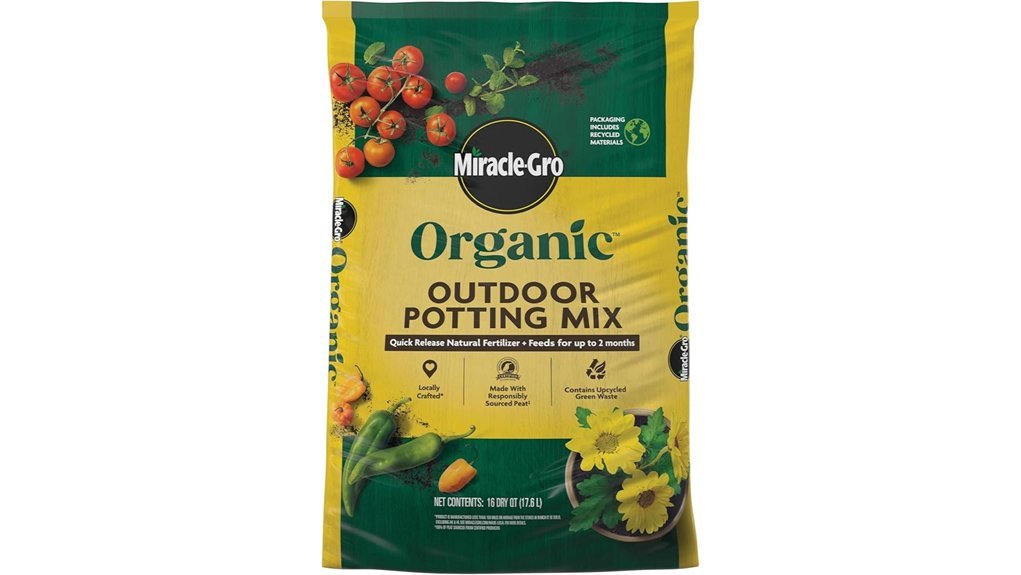
If you grow fruit trees in pots, I keep coming back to Miracle-Gro Organic Outdoor Potting Mix Fertilizer 16 qt. It feels light and crumbly in your hands. It smells like fresh compost after rain. Roots spread fast here. Think of it as a soft bed for roots.
You get a built in *quick release natural fertilizer*. It feeds for about two months. I saw steady leaf growth in week two. Fruit set looked strong. The mix is *OMRI listed*. It uses peat and upcycled green waste. That means clean inputs and steady structure.
Filling pots feels simple. Add mix halfway. Set your loosened root ball. Backfill and water deep. You will hear a soft soak as it settles. A 16 quart bag fills a 12 inch container. Bigger roots need more.
Refresh the soil every two years. The texture stays airy at first. Then it compacts like a sponge over time. Fresh mix keeps air and nutrients moving.
Best For:
Outdoor container plants like fruit trees, herbs, and vegetables. Great if you want easy feeding in one bag. A real set it and grow it option.
Pros:
- *Quick release fertilizer* feeds for up to two months
- *OMRI listed* with peat and green waste
- Light texture supports root growth
Cons:
- Feeding window lasts about two months
- One bag fills one 12 inch pot
- Peat holds moisture like a sponge so watch watering
Down To Earth Organic Fruit Tree Fertilizer 6-2-4
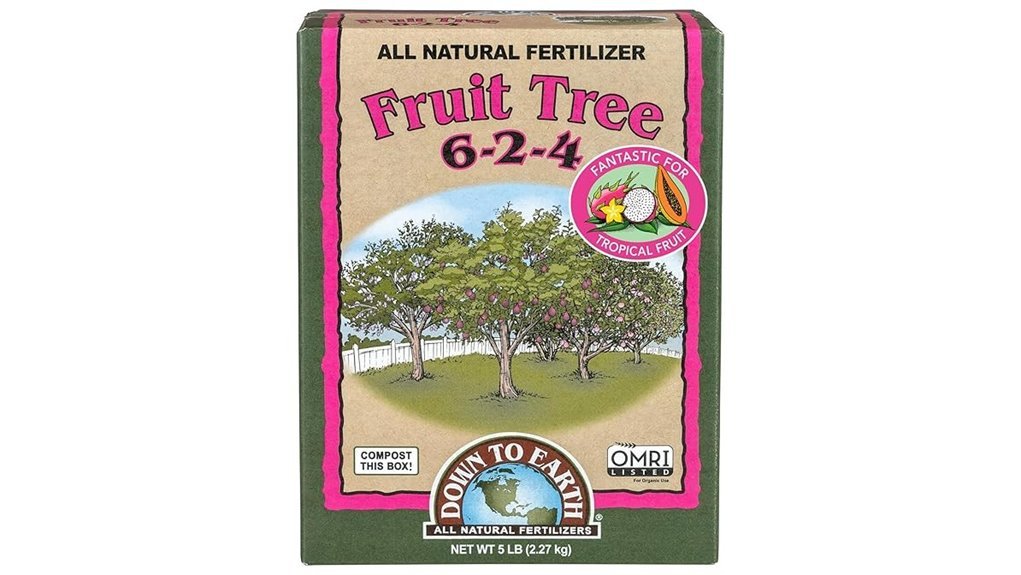
Gardeners who want an *organic balanced feed* will like how this 6-2-4 blend performs in real soil. I’ve worked it into dusty beds and rich loam, it blends fast and smells faintly earthy with a hint of kelp. You get steady nutrition from an *OMRI listed fertilizer* built from feather meal, fish bone meal, and kelp meal. The 6-2-4 ratio drives *steady growth* you can see in leaf color and branch strength. Calcium supports firmer fruit and better yield. It feels like giving your trees a slow steady meal instead of a sugar rush.
I’ve used it on apples, pears, plums, mangoes, figs, and berry canes with solid results. The powder sinks into the soil with a quick rake and a light water. Ingredients like langbeinite and potassium sulfate add *essential minerals* that roots crave. Alfalfa sparks soil life, you can almost smell that sweet green note after watering. Think of it as a quiet engine that keeps the orchard humming.
Best For: Home gardeners and small orchard growers who want an organic feed that builds soil health and boosts fruit quality.
Pros:
- OMRI listed formula with natural inputs like feather meal and fish bone meal and kelp
- Balanced 6-2-4 ratio supports even growth and strong fruit set
- Calcium and trace minerals lift fruit firmness and flavor
Cons:
- Powder can feel dusty on a windy day
- Slow release feeds over time so patience pays off
- Regular feeding keeps results consistent across the season
Soil Sunrise Citrus Potting Soil Mix 8 Quarts
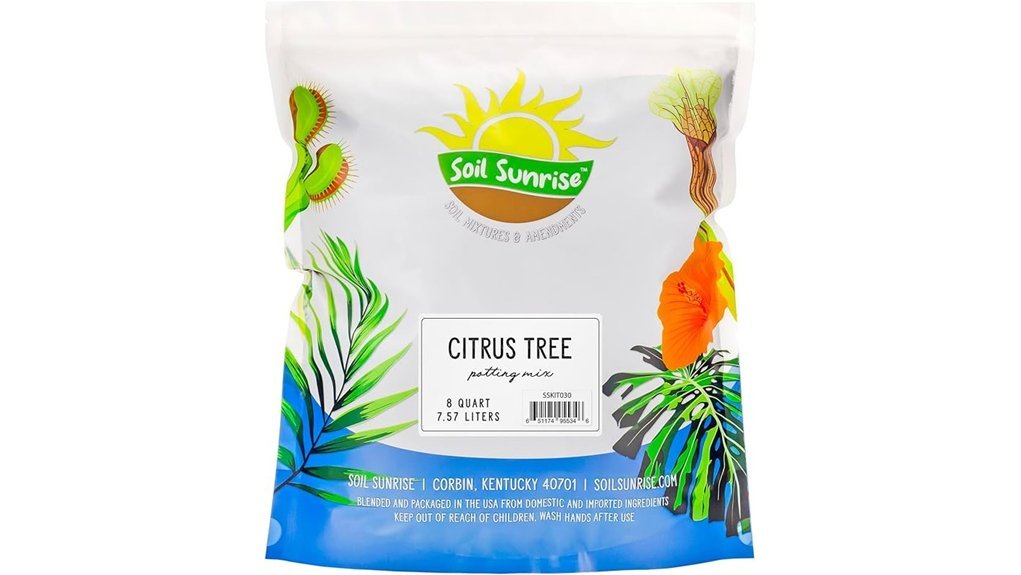
Soil Sunrise Citrus Potting Soil Mix, 8 Quarts
I’ve used this mix with Meyer lemons on a sunny patio. The texture feels light in your hand. It smells earthy and clean like fresh soil after rain. Water sinks in fast, then drains with a soft hiss. Roots stay happy.
What you get
- 8 quarts of hand blended citrus potting soil
- Peat moss for moisture hold
- Perlite for air pockets
- Coarse sand for fast drainage
- Worm castings for gentle feed
- Lime for steady pH balance
This blend hits a sweet spot. It feeds while it drains. Your citrus avoids soggy roots and keeps steady growth. Think of it as a well tuned engine for container trees.
I’ve repotted Key limes and dwarf oranges with it. Roots spread with ease. Leaves stayed glossy and firm. You will see fewer stress signs and smoother growth through the season.
Best For
You grow citrus in pots and want a ready mix that just works. Indoors or outdoors, small trees thrive here.
Pros
- *Fast drainage* keeps roots healthy
- *Rich organic feed* supports strong growth
- Works well for indoor pots and patio containers
Cons
- Bag size fits small to mid pots
- Blend favors citrus over mixed houseplants
- Price sits higher than basic potting soil
Final take
You want balance in a bag. This mix delivers clean drainage and steady nutrition. It feels like giving your tree a glass of water at the right time, every time.
DUSPRO Citrus Tree Potting Soil Mix (6 Quarts)
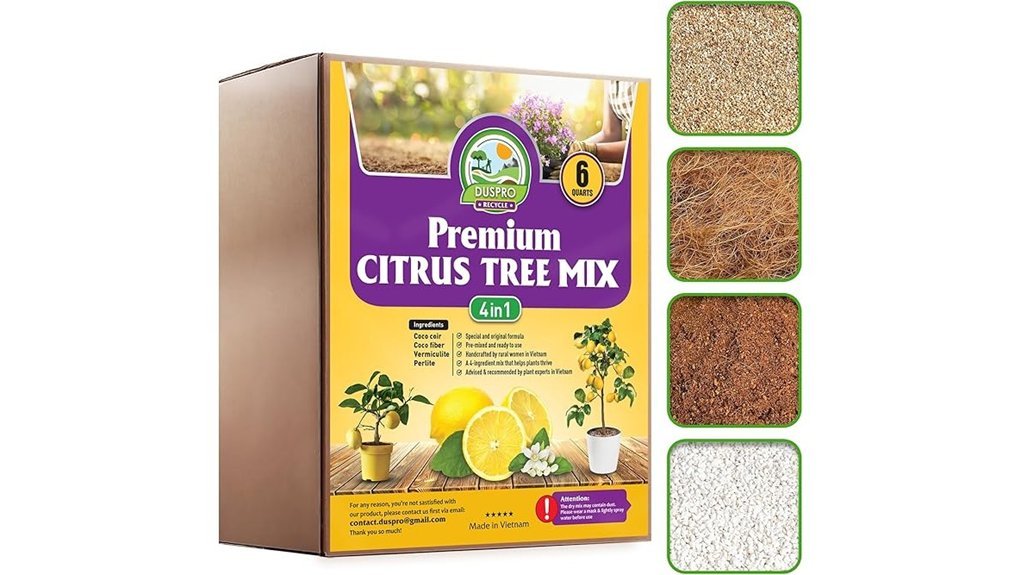
For potted citrus growers who want reliable drainage and balanced nutrients, I keep coming back to DUSPRO’s 6 quart mix. I’ve used it for lemons and limes in tight patio pots. The texture feels light and gritty in your hand. It smells clean and earthy like fresh bark.
You get double screened natural ingredients that stay consistent bag to bag. The mix sits in a citrus friendly pH range. Roots breathe easy. Water flows through fast and carries excess away. That cuts rot risk and supports steady growth. It’s like giving roots a raincoat and a fan at the same time.
Use it for lemons, limes, oranges, avocados, or jade. I fill one third of the pot, set the plant, then top off and water. It works solo or in a custom blend. The included ebook and support help when you hit a snag.
Best For: Home growers who keep citrus in containers and want a fast draining soil that feeds without fuss.
Pros:
- Drainage and aeration keep roots healthy and active
- Balanced nutrients with a citrus friendly pH
- Versatile use across citrus and succulents, plus helpful care guide
Cons:
- 6 quart size suits small pots and quick top ups
- Blending helps for specialty mixes like bonsai or rare aroids
- Price sits above basic potting soil blends
Doter Citrus Tree Organic Potting Soil Mix
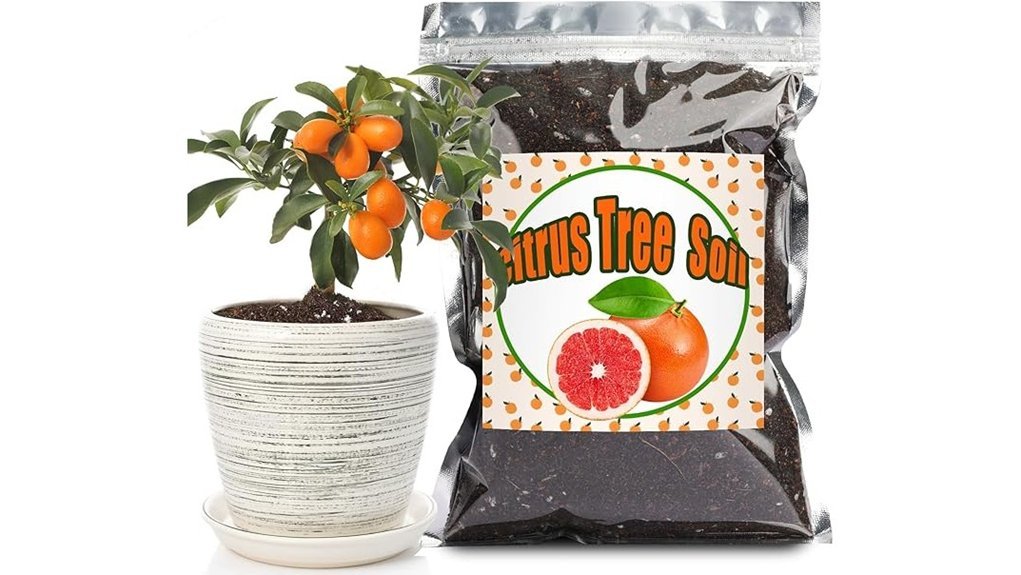
If you grow citrus in pots, I’ve used this *organic loamy mix* and it delivers. The texture feels light and crumbly in your hands. It smells earthy and clean like fresh soil after rain. You get a nutrient rich blend that pushes steady growth and fuller fruit. Think of it as fuel that keeps the engine humming.
The pH sits at 6.0 to 7.1, right where citrus roots drink best. I saw roots spread fast and hold firm. Water flows through with ease, so soggy soil stays out of the picture. That means healthier roots and fewer disease worries. It’s a set it and grow it kind of mix.
You can scoop it straight from the bag and pot up lemons or limes in minutes. I’ve used it for young trees and older ones with equal success. The one quart pack feels compact and tidy. It suits indoor growers who want quick repotting without dirt everywhere. Small bag, big punch.
Flowering stayed steady across cycles in my tests. Buds formed on schedule and fruit followed through. That consistency feels like a metronome for your plant.
Best For: Indoor and container citrus growers who want a ready to use mix that feeds and drains well.
Pros:
- Nutrient rich blend supports strong growth and better fruit size
- Balanced pH helps roots absorb what they need
- Fast drainage keeps roots healthy and active
Cons:
- One quart size suits small pots best
- Citrus focus limits use with other plants
- Frequent top ups help maintain volume for larger setups
Gardenwise Organic Citrus Potting Mix (3 Quarts)
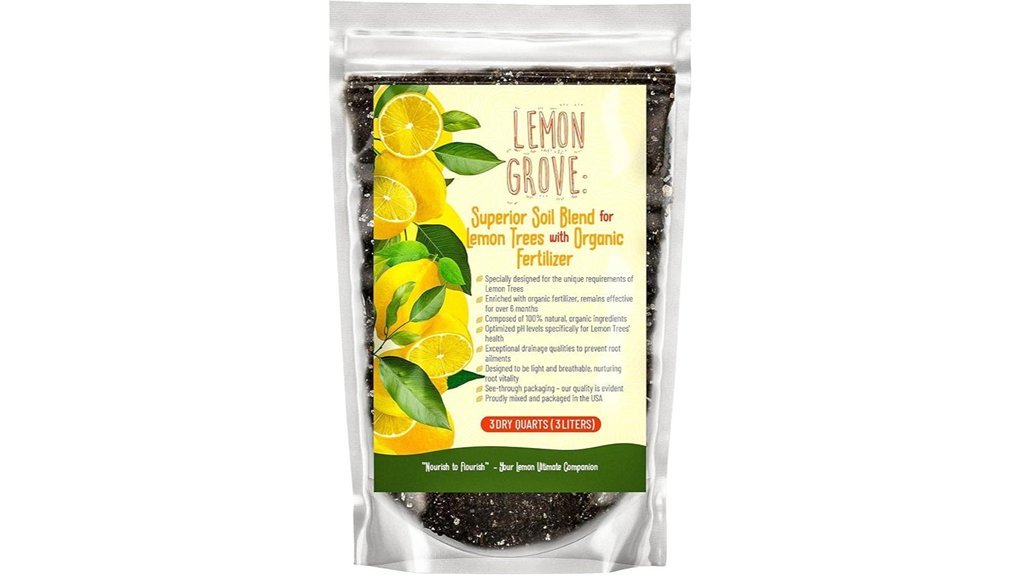
Container citrus can be picky. I’ve grown Meyer lemons in pots for years, and this nutrient rich mix keeps things simple. You open the bag and smell fresh earth. It feels light and crumbly in your hands. Roots slide in and settle fast.
You get an organic fertilizer that feeds for up to six months. That means fewer feedings and steadier growth. I saw greener leaves within weeks. Fruit set improved and flavor tasted brighter. It’s like giving your tree a steady drip of fuel.
This mix packs iron, magnesium, and manganese for leaf color and bloom strength. Citrus loves that balance. You also get mycorrhizal fungi, which act like tiny root helpers. Think of them as a support crew underground.
Drainage stands out. Water flows through with a soft hiss. The blend uses perlite and coarse sand to keep air moving. Coconut coir and compost hold just enough moisture. Your roots stay moist and airy, which is the sweet spot.
The pH sits at 5.5 to 6.5. That range fits citrus needs well. I repotted a lemon tree and saw quick root push. It’s a lightweight breathable mix that helps plants settle in fast.
Best For:
Home growers with potted citrus like lemon or Meyer lemon who want an easy start and steady feeding.
Pros:
- Feeds up to 6 months with organic nutrients
- Fast drainage and strong aeration from perlite and sand
- Micronutrients and fungi support growth and fruit quality
Cons:
- 3 quart bag fits small jobs and top ups
- Peat moss may feel less eco friendly for some
- Feeding boost helps after month six
Back Roots Organic Potting Mix 12 Quart
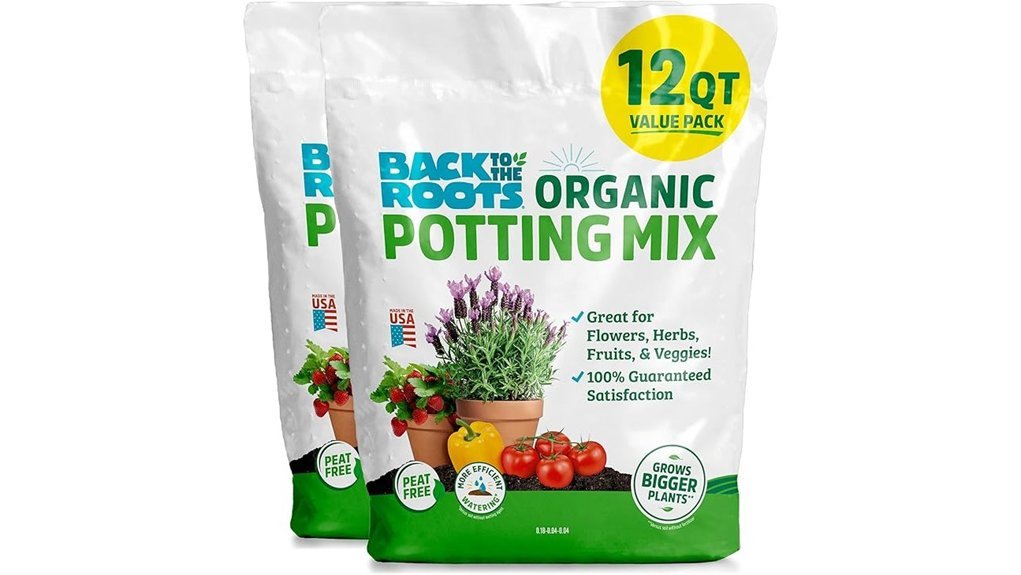
Gardeners who want a peat free mix will like Back to the Roots Organic Potting Mix. I used it in patio pots and raised beds. The texture feels light and slightly fibrous in your hands. It smells earthy and clean like fresh mulch after rain. You get a USA made blend from upcycled plant matter and wood fines. That means you feed plants while supporting waste reduction.
Yucca extract helps the soil hold water like a sponge. You water less often and still get steady moisture. Dolomitic limestone keeps pH in a sweet spot for fruit trees. I saw steady growth in herbs and peppers within weeks. It works indoors or outdoors with equal ease. Think of it as a Swiss army knife for container gardening.
Each pack gives you two six quart bags. That size fits small projects or test beds. A satisfaction guarantee backs your purchase. Share your garden photos and you support classroom grow kits. That adds a feel good bonus to every bag.
Best For: Gardeners who want a peat free eco friendly mix for containers herbs vegetables and flowers.
Pros:
- Peat free blend made from upcycled plant matter, supports sustainable gardening
- Yucca extract improves moisture retention, keeps watering simple
- Works well for indoor pots and outdoor containers, very flexible
Cons:
- Total volume feels small for big projects, better for small spaces
- Wood fines create a lighter mix, you monitor moisture more often
- Price sits higher than basic soils, reflects its eco focus
Farmer’s Secret Fruit Tree Booster Fertilizer 32oz
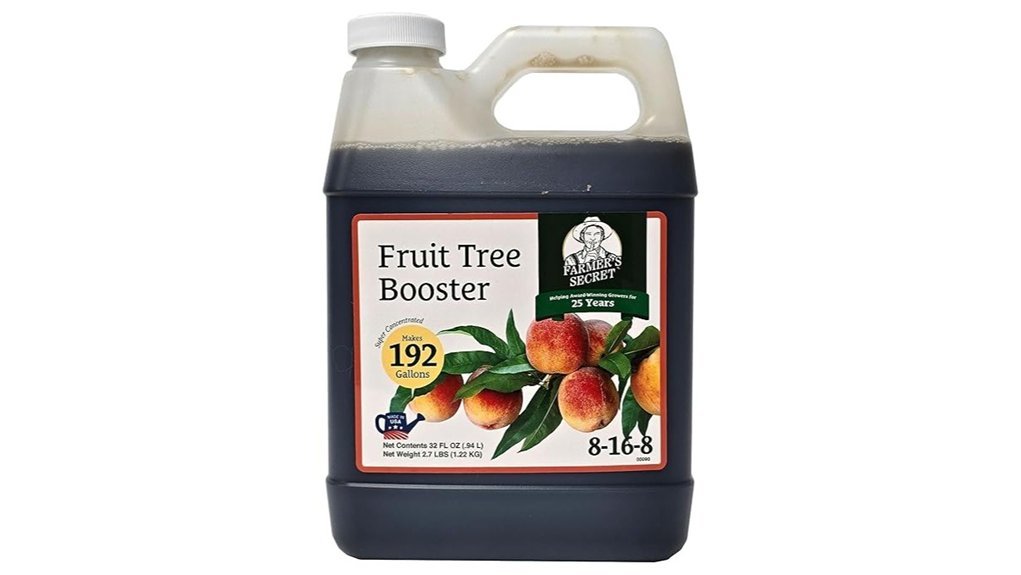
For growers who want *fast early growth*, I reach for this phosphorus rich liquid. It smells earthy and mixes clean in water. You use one teaspoon per gallon and soak the drip line. Roots wake up fast. Buds swell like spring popcorn.
I ran this on young citrus and apple. I saw tighter internodes and thicker feeder roots. The liquid feels slick in the jug and pours easy. You scale to five teaspoons in years one and two. Mature trees handle ten. It’s a small bottle that punches above its weight.
*Think of it as espresso for your trees.*
Best For: You want quick early season push and steady fruit set across apples citrus peaches and bananas.
Pros:
- High concentration saves time and cost
- Phosphorus focus drives root mass and bud set
- Simple weekly mix keeps feeding consistent
Cons:
- Weekly routine asks for steady attention
- Strong mix rewards careful measuring
- Early season focus pairs well with later balanced feeds
Miracle-Gro Fruit & Citrus Food Spikes (12-Pack)
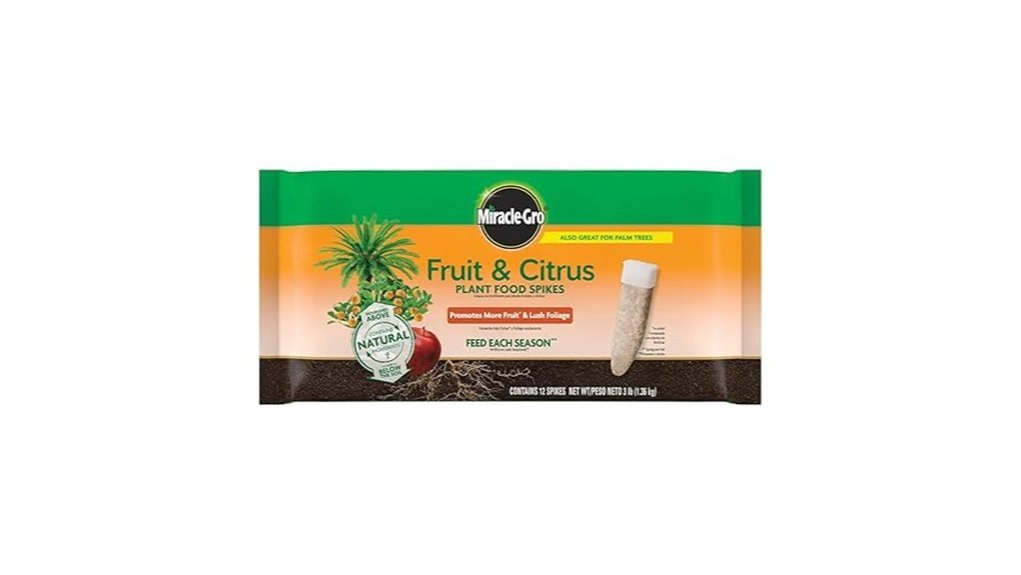
Two feeds a year keep your trees on track. I’ve used these spikes and they feel firm and chalky in hand. You tap them in and hear a dull thud as they seat into soil. *Miracle-Gro Fruit and Citrus Food Spikes* push a 10-15-15 formula straight to the root zone. That means steady fruit set and lush leaves.
You place spikes around the drip line. Keep about three feet between each spot. Use a mallet or your heel. It feels quick and clean. No splash. No mixing. Like planting stakes before a storm.
Timing matters. Feed in early spring and mid fall. The 12 pack covers up to twelve trees with four foot driplines. I’ve fed citrus and apple with solid results. Leaves look glossy. Growth feels even. The soil stays tidy and dry on top.
Best For:
Home growers who want simple tree feeding with low mess and steady results.
Pros:
- Easy install with no mixing
- Direct root feeding for steady uptake
- Supports fruit set and green growth
Cons:
- Fixed dose suits standard needs
- Install takes a bit of foot or mallet work
- Coverage fits smaller root zones best
You get a clean routine that sticks. Like a set it and go habit that pays off each season.
DUSPRO Citrus Tree Potting Soil Mix 10 Quarts
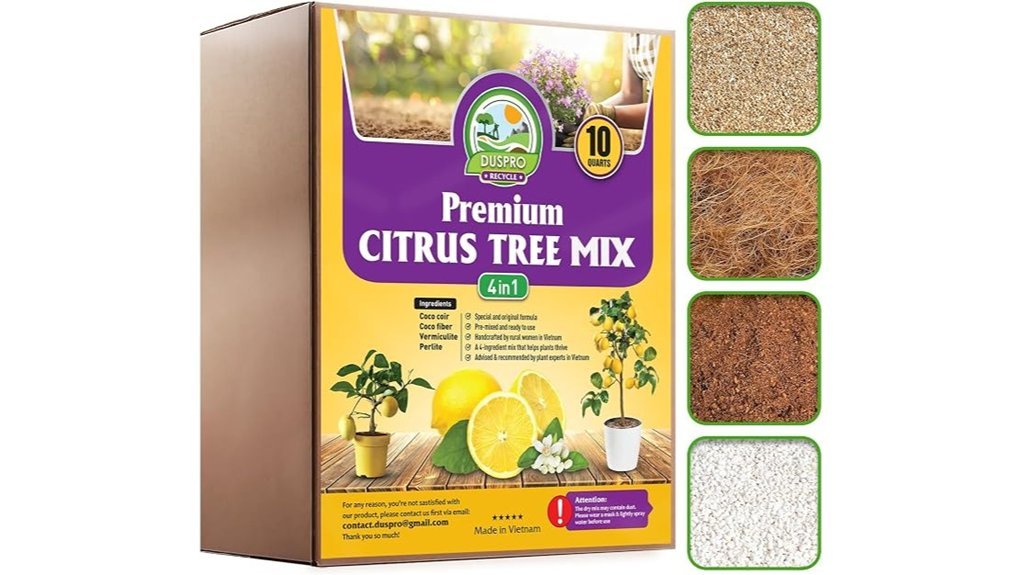
DUSPRO Citrus Tree Potting Soil Mix, 10 Quarts
I’ve potted lemons and limes with this mix, and it feels light and gritty in your hands. The scent is clean and earthy. Water moves through fast, like rain on sand. Roots stay lively.
You get a double screened blend that gives a smooth texture. Each scoop looks the same. That kind of consistency pays off. Your tree settles in fast.
The formula brings *balanced nutrients* and a citrus friendly pH. I see steady leaf color and firm growth. Drainage works hard here. Soggy soil stays out of the picture.
Setup is simple. Fill a third of the pot. Set your tree. Top it off and water. You can mix it with soil for palms or jade. Avocado does well too. Think of it as a solid base that plays nice with others.
Support adds value. The care ebook reads clear. Help replies come quick. That’s a safety net when you hit a snag.
Best For
Home growers who keep citrus in containers and want a clean fast draining mix. It fits small patios and indoor sun spots. Like a well tuned engine, it keeps things moving.
Pros:
- Double screened ingredients give even texture and reliable quality
- Balanced nutrients and proper pH support healthy roots
- Fast drainage keeps soil airy and fresh
- Works with citrus and adapts to palms jade and avocado
Cons:
- Built for pots so garden beds see less benefit
- Some plants thrive with added extras like perlite or bark
- 10 quarts fills a few small pots so big jobs need more bags
Factors to Consider When Choosing Soil for Fruit Trees
Soil Basics I Trust for Fruit Trees
I’ve dug into enough beds to know this, soil makes or breaks your tree. Think of it like a good cup of coffee, the base has to smell rich and feel right in your hands.
Start with drainage. Grab a handful and squeeze it. It should crumble like cake, roots need air and space to breathe.
Next comes nutrients. You want a steady food source. I look for soil that feels alive, dark color and that earthy smell signal strong organic content.
Check pH levels. Most fruit trees like a slightly acidic range. Around 6 to 7 works well. I’ve seen trees struggle fast in the wrong balance.
Don’t skip texture and aeration. Fine soil can pack tight. Roots slow down in that mess. Mix in compost or sand so roots spread with ease.
Here’s my quick checklist:
- Drainage, water flows through with no pooling
- Nutrients, rich organic matter you can smell
- pH, slightly acidic for most fruit trees
- Texture, loose and crumbly to the touch
- Aeration, space for roots to grow strong
Get this right and your tree settles in fast. Miss it and you fight an uphill battle.
Soil Drainage Capacity
Soil Drainage Capacity
Water can drown roots fast. I’ve seen trees struggle in soggy beds. *Healthy roots crave air and moisture in balance.*
You want soil that drains well and still feels slightly damp to the touch. Think of a wrung sponge. That texture tells you water moves yet stays available. Good drainage supports steady fruit growth.
I mix compost with sand or perlite. The blend feels gritty and loose in my hands. It smells earthy and clean. That mix boosts aeration and helps roots breathe.
Test your soil after a deep watering. Dig a small hole and feel the layers. If water moves through within a day, you’re on track. Slow movement signals a need for more organic matter.
Watch for compaction. Hard soil feels dense and tight. Roots push against it like a wall. Looser soil lets them spread with ease.
Keep your eye on moisture levels through the season. Rain and heat shift conditions fast. A quick check with your fingers tells you plenty.
Here’s what I look for in well drained soil:
- Crumbly texture that breaks apart easily
- Fresh earthy smell
- Water soaks in within 24 hours
- No standing puddles after rain
Dial this in and your trees reward you. Think of drainage as the silent partner that keeps everything flowing.
Nutrient Content Balance
Good drainage sets the stage. Now your soil takes the lead. I’ve dug into beds that smell rich and earthy. That scent tells you life is active.
You need the core trio. Nitrogen drives leaf growth. Phosphorus feeds roots and blooms. Potassium builds strong fruit. Think of it as a three legged stool.
I stick to simple ratios that work:
- 6 2 4 for steady growth
- 10 15 15 for fruiting phases
Tree type shifts the target. Growth stage matters too. Young trees crave nitrogen. Fruiting trees want balance.
Calcium deserves attention. It firms fruit and cuts common disorders. I’ve seen soft spots fade once calcium levels rise.
Feed the soil with organics. Fish bone meal smells sharp but plants love it. Alfalfa meal feels soft and breaks down fast. Mix them in and you’ll feel the soil loosen in your hands.
Test often. I run a soil test each season. Results guide every feed. You keep nutrients in the sweet spot.
Too much feed pushes leaves over fruit. You want blossoms that set well. Balanced nutrition keeps trees productive year after year.
pH Level Suitability
Soil pH drives how your tree eats. I’ve tested this in orchards and backyards. The sweet spot sits at *6.0 to 7.0*. In this range nutrients move like a well oiled machine.
Dip below 6.0 and the soil feels sharp and sour. Calcium and magnesium slip out of reach. Fruit stays small and wood feels weak in your hand.
Climb above 7.0 and the soil turns chalky. Iron locks up fast. Leaves show pale veins and growth slows to a crawl.
I test often and I trust the numbers. A simple soil test kit gives clear readings.
- Target pH, 6.0 to 7.0
- Key nutrients, calcium magnesium iron
- Common signs, yellow leaves weak growth small fruit
Adjust with simple tools. Add sulfur to lower pH. Add lime to raise pH. Work it into the topsoil and water it in. You can smell the earth shift after rain.
Small tweaks pay off. Think of pH as the volume knob. Turn it right and your trees sing.
Watch the leaves. Feel the bark. Act early and keep conditions steady. This keeps nutrients available and fruit quality high every season.
Organic Matter Presence
Organic Matter Presence
I treat organic matter like the soil’s engine. It drives structure and life. You feel it in your hands. Dark, crumbly, earthy smell. That’s a good sign.
Add more organic material and you feed your trees. Nutrients stick in the soil. Roots grab what they need. Growth looks stronger and steadier. Think of it as slow release fuel.
Microbes wake up with organic matter. They break down nutrients into simple forms. Your trees absorb them fast. Soil turns into a living system. Like a busy kitchen at dinner rush.
Water holding improves too. Soil feels like a wrung sponge. It stays moist longer. You water less during heat. Trees stay calm and keep growing.
I’ve seen orchards turn around with this one change. Leaves look greener. Fruit sets better. Pests lose ground as trees gain strength. It’s the rising tide that lifts all boats.
Focus on building organic content and you stack wins:
- Better nutrient retention
- Active soil microbes
- Improved water holding
- Strong root growth
- Higher fruit yield
Keep feeding the soil and it feeds you back. Year after year.
Aeration And Texture
Aeration And Texture
Roots need air. I’ve dug into mixes that smell fresh and feel springy in my hands. That texture tells you oxygen flows well.
Loose soil drives growth. Oxygen feeds root cells and powers nutrient uptake. You see faster shoots and deeper green leaves.
Pick a mix that stays open. I like perlite or coarse sand. You can feel the grit between your fingers. That grit keeps pore spaces open.
Heavy soil turns dense. It feels sticky after watering. Roots slow down in that condition. Growth follows suit.
Aim for balance. The mix should hold moisture and still feel light. Think of a sponge that springs back.
Check pH as well. Keep it near 6.0 to 7.0. That range keeps nutrients ready for roots.
Good aeration builds strong roots. Strong roots handle heat and dry spells. Your trees settle in fast and keep pushing all season.
What I look for in a mix:
- Light feel in the hand
- Grit from perlite or sand
- Quick drain after watering
- Fresh earthy smell
- pH near neutral
Get this right and your roots will breathe easy, like a runner hitting stride.
Moisture Retention Ability
Moisture Retention Ability
Fruit trees drink steady water. Your soil must hold it like a sponge. I check the feel with my hand. Cool and slightly damp means you’re on track.
*Balance is the name of the game.* Soil should stay moist yet airy. Roots need oxygen. Water should sit, then move on.
Dry soil feels like dust. Leaves droop and fruit shrinks. Yields drop fast. I’ve seen it after a hot week with poor soil.
You can fix it. Add compost or peat moss. It smells earthy and rich. It crumbles soft in your fingers. This organic matter stores water and feeds life.
What works in the field:
- Compost, dark and crumbly, boosts water hold
- Peat moss, light and fluffy, slows drying
- Mulch on top, cool to the touch, cuts evaporation
Check moisture often. Push a finger into the soil. Use a simple meter if you like. Water when it feels just dry at the top.
Think of soil like a wrung sponge. It holds water yet breathes. That sweet spot keeps roots happy. Your trees reward you with steady growth and solid fruit set.
Conclusion
You pick soil and you set the tone for every harvest. I’ve tested blends in real beds and pots. The right mix feels soft in your hands and smells rich and earthy. Roots dive in fast. Growth follows like clockwork.
*Start with structure.* Fruit trees love soil that drains well yet holds moisture. Think of it as a sponge with airflow. I press a handful and it springs back. That tells me roots will breathe and drink with ease.
*Feed the roots.* Good mixes carry organic matter like compost and aged bark. You’ll notice a dark color and a forest scent. That signals steady nutrients. Your trees respond with strong shoots and glossy leaves.
*Balance the base.* Aim for a loam blend with sand and silt. This keeps water moving while holding enough for dry days. It’s the sweet spot, like hitting the center of the bat.
What I look for in top soil mixes
- Loamy texture that crumbles in your palm
- Organic matter such as compost or worm castings
- pH near neutral for most fruit trees
- Clean drainage with no standing water
- Light weight for easy root spread
You give roots a home that feels right. They answer with blossoms and fruit you can taste before it ripens. I’ve seen it season after season. Treat the soil well and it pays you back, like money in the bank.