
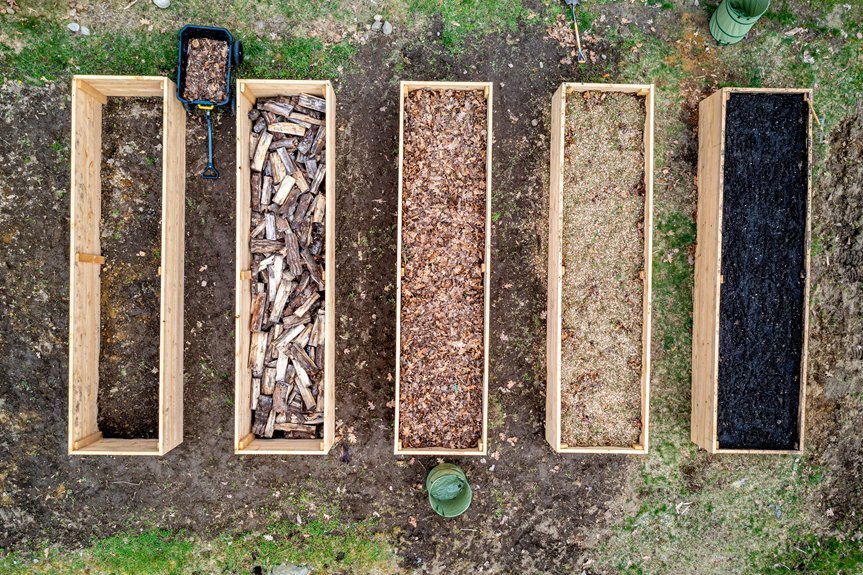
If you want raised garden beds that last for years, I’d pick *cedar* or *redwood* first.
I’ve used both in wet soil and hot sun. They smell rich when you cut them and they feel dense and solid in your hands. Cedar fights rot well. Redwood handles moisture like a champ.
For a *vegetable garden*, both let you skip chemical treatment and keep things simple.
Want a lower price? *Fir* gives you that. It looks clean and smooth right away. I like it for short term beds or dry climates.
In damp soil, it can age faster. That’s the trade off. You save now and pay later, kind of like buying cheap boots for a muddy farm.
A few smart build choices make a big difference.
*Go thicker.* Thin boards can bow and twist. Thicker lumber feels stronger and sounds firmer when you screw it together.
*Add good drainage.* Soggy soil wears wood out fast. Loose soil and drain holes help your garden bed stay in better shape.
*Use a liner.* A simple liner keeps wet soil off the wood. That extra layer can stretch the life of the bed by years.
If you want the best wood for raised garden beds, I’d start with cedar for value and redwood for premium life span****.
Keep reading for more quick tips on lumber size, soil contact, and bed design.
Yaheetech Wooden Raised Garden Bed Planter Box
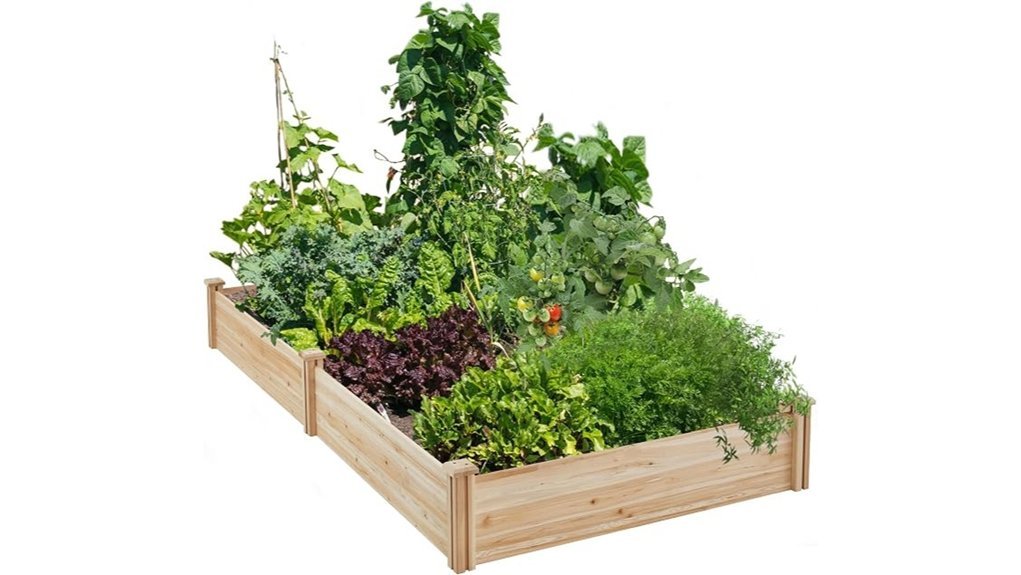
If you want a beginner friendly raised garden bed for vegetables herbs or flowers I’d put the Yaheetech Wooden Raised Garden Bed Planter Box near the top of your list. I’ve used beds like this in real backyard setups and this one feels solid right away. The fir wood has a fresh clean wood smell and a smooth natural touch. It gives your yard that *straight from the garden shed* charm.
What stands out first. The simple build. The single piece style keeps the frame steady and the side panels go together fast. You spend less time with parts and more time with soil on your hands. That’s a win in my book.
I also like the divided planting layout. You can give herbs one zone and vegetables another. Flowers get their own patch too. Think of it like giving each plant its own little apartment. That setup helps with spacing and keeps your outdoor planter box looking neat.
The elevated design also improves the planting area. Your soil sits contained and organized. Your garden looks cleaner and feels more practical. For a home gardener who wants an easy start this wooden raised bed makes the job feel smooth.
Best For:
Beginners and home gardeners who want an easy outdoor raised garden bed for vegetables herbs and flowers.
Pros:
- Solid fir wood feels sturdy and looks natural in a yard or garden.
- Quick assembly makes setup easy for first time gardeners.
- Divided sections help you organize herbs flowers and vegetables.
Cons:
- Unpainted wood benefits from seasonal care in wet or harsh weather.
- Outdoor focused design fits best in a yard patio or garden space.
- Basic feature set suits beginners who want a simple planter box.
Why I’d Recommend It:
If you want a wooden raised garden bed that keeps things easy and tidy this one does the trick. It feels good to the touch and looks clean in the yard. For new gardeners it’s a solid first step.
Cedar Raised Garden Bed with Legs, Outdoor Planter Box 48x24x30, 200lb
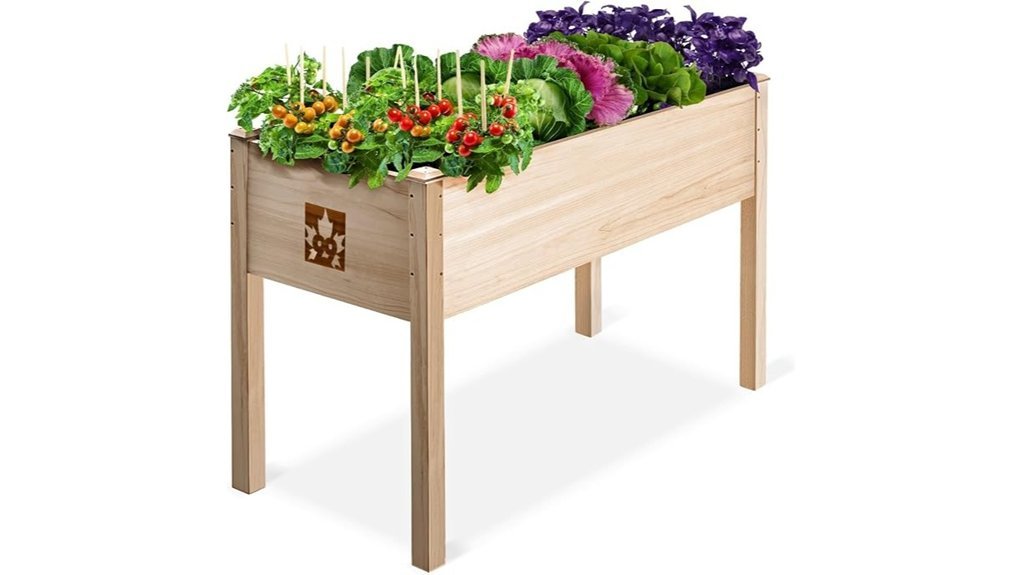
If you want an easy cedar raised garden bed for a patio or small yard, this one earns its spot. I’ve used beds like this in real outdoor setups, and the first thing you notice is the cedar smell. Fresh and woodsy. It also feels smooth to the touch with a solid frame that inspires confidence.
This 48x24x30 planter box gives you a practical growing area for herbs, lettuce, flowers, and compact vegetables. The 200 pound capacity handles a full soil load with steady support. No shaky legs. No circus act. Cedar also helps with insect resistance, and the natural grain looks great in almost any outdoor space. If you like DIY projects, you can paint it and make it your own.
The elevated garden bed sits 30 inches high, so you plant in comfort and keep your back happier. That matters during long watering and pruning sessions. The raised height also helps with airflow and keeps the wood farther from wet ground. Think of it as giving your plants a front row seat. You also get a cleaner setup with fewer weeds and less interest from curious critters.
Assembly feels straightforward. I like that the kit includes the hardware and clear instructions. You open the box, line up the panels, and get to work without extra prep. That’s music to any gardener’s ears.
Best For: You’ll love this if you want an ergonomic outdoor planter box with legs for vegetables, herbs, or flowers in a compact space.
Pros:
- 30 inch elevated design makes planting and picking feel easier on your back.
- Cedar wood offers natural insect resistance and a warm look you can paint.
- 200 pound support gives the bed a sturdy feel for soil and mature plants.
- Hardware and instructions keep setup quick and simple.
Cons:
- 200 pound capacity suits shallow to medium soil depths best.
- Cedar benefits from seasonal care to keep its color rich.
- 48×24 inch planting space works best for focused growing rather than a huge crop mix.
Why I Recommend It:
- Great fit for patios, decks, and smaller backyards.
- Comfortable height for daily gardening.
- Strong pick for herbs, salad greens, strawberries, and flowers.
- Simple build process saves time and hassle.
Giantex Wooden Raised Garden Bed Planter Box
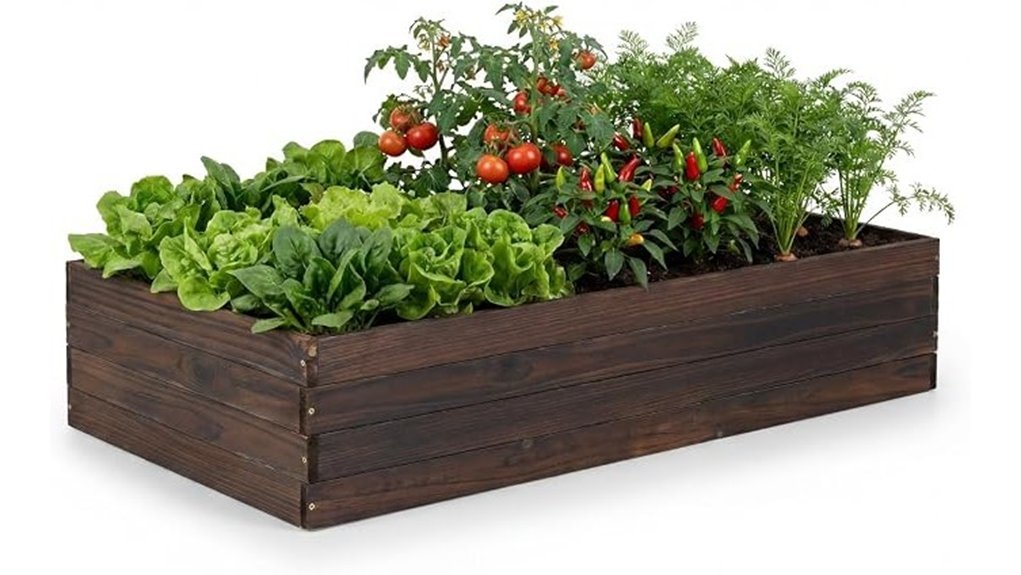
The Giantex Wooden Raised Garden Bed works best for you if you want a spacious planter box with easy drainage. I’ve used beds like this for vegetables and herbs, and this one gives roots room to stretch like kids at recess.
Its 45 x 23 inch planting area feels roomy right away. You can space out tomatoes, basil, lettuce, or flowers without a cramped layout. That makes your garden bed easier to manage and easier on your eyes.
The fir wood frame feels solid to the touch. It has that fresh wood smell you notice during setup, and the boards hold firm once tightened. I like the natural finish because it blends into a backyard or vegetable garden without stealing the show.
The open bottom is the big win here. Water drains fast. Soil stays healthier. Roots can grow down into the ground and grab more nutrients and air. That gives your plants a better shot to thrive.
Assembly stays simple. I found the included hardware easy to work with, and the whole setup moves along without much fuss. It’s a nice pick if you want a raised planter bed that gets straight to the point.
Best For: You want a roomy raised garden bed for vegetables, herbs, fruit, or flowers with fast drainage and simple assembly.
Pros:
- Large planting space fits multiple plants with less crowding.
- Solid fir wood feels sturdy and holds up well outdoors.
- Open bottom design supports drainage, airflow, and deeper root growth.
Cons:
- Open base works best in a yard or garden soil area.
- Fir wood benefits from occasional care to keep its look fresh.
- Natural style suits simple outdoor spaces more than bold modern patios.
Hollyone 4x4ft Wood Raised Garden Bed Frame
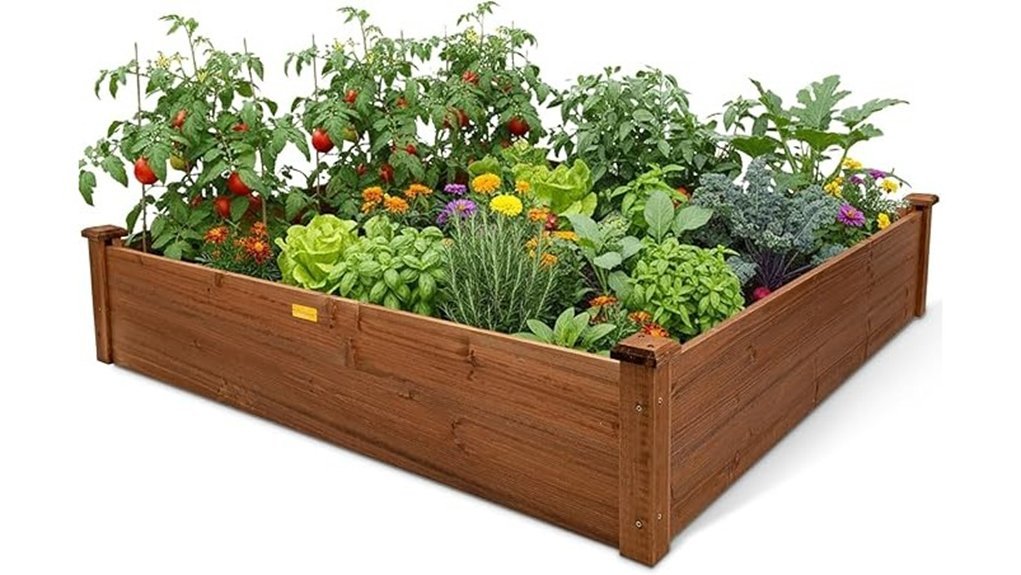
Hollyone’s 4×4 wood raised garden bed fits you well if you want a small simple planter for vegetables herbs flowers or grass. I’ve used beds like this in tight spaces and this one feels like a *sweet spot* for new gardeners.
You get a 48 x 48 inch frame with an 11 inch height. That size gives you solid root space and keeps your patio balcony or small yard open. The fir wood feels smooth to the touch and the natural grain gives off that fresh cut wood smell gardeners love.
Outdoors this fir wood raised bed handles sun and light weather well. The boards feel sturdy in hand and the frame stays tidy through the season. It also looks good on a lawn or beside a greenhouse, kind of like a neat little stage for your plants.
Setup feels quick and painless. I like the pre sanded panels because they feel clean on your hands. The dovetail joints slide together with a satisfying snug fit and the screw fastened posts add a firm hold. You can also link more beds if your garden bug grows legs.
Best For: *Beginners and space conscious gardeners* who want an easy 4×4 raised garden bed for vegetables herbs flowers or grass on patios balconies or in small yards.
Pros:
- Compact 48 x 48 inch size fits smaller outdoor spaces and still gives you useful growing room.
- 11 inch depth works well for many herbs flowers lettuce and shallow root vegetables.
- Fir wood construction looks attractive and holds up nicely outside with basic care.
- Easy assembly comes from pre sanded panels dovetail joints screw fastened posts and clear instructions.
Cons:
- 11 inch depth suits shallow and medium root plants best.
- Wood looks best with seasonal care if you want to keep the finish fresh.
- 4×4 growing space works best for focused planting plans instead of big mixed crops.
Why I’d pick it: If you want a beginner friendly raised garden bed that’s easy to build and easy to place, this one hits the nail on the head.
Backyard Expressions Wooden Raised Garden Bed
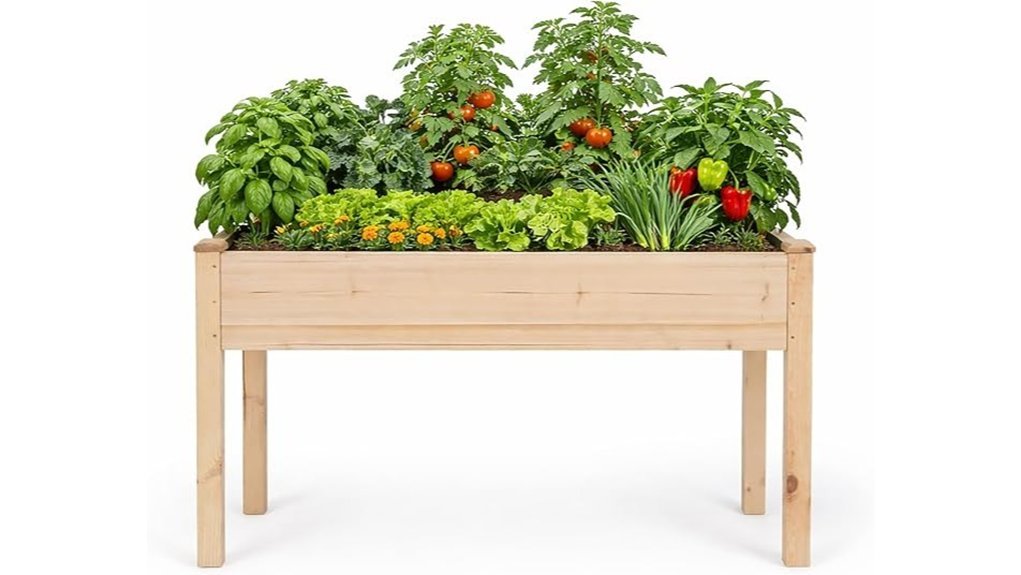
Backyard Expressions Wooden Raised Garden Bed feels like a smart pick if you want *waist high gardening* in a small yard or patio. I’ve used beds like this and the 30 inch height feels easy on your back. Your knees get a break too. That’s worth its weight in gold.
At 48 x 24 x 30 inches this raised planter fits compact spaces well. You still get enough room for lettuce, basil, peppers, and bright flowers. The planting area feels tidy and easy to reach. No awkward stretching. No dirt under your elbows.
The natural wood gives off that fresh outdoor scent you notice right away. It also feels smooth and solid to the touch. I like the classic look because it blends into most decks and garden corners. The included liner adds a helpful layer for soil control and cleaner growing.
Assembly moves fast. You can set it up and start planting the same day. That quick win feels nice. Like planting with a head start.
Best For: You’ll like this bed if you want a compact raised garden bed for vegetables, herbs, or flowers and you want a more comfortable planting height.
Pros:
- 30 inch height keeps planting and watering more comfortable.
- Natural wood build looks attractive and feels sturdy outdoors.
- Included liner helps support cleaner soil management and healthier growth.
- Compact footprint works well for patios, porches, and small backyards.
Cons:
- 48 x 24 inch planting space fits small to medium garden plans best.
- Wood care helps keep the finish looking fresh through the seasons.
- Elevated design suits gardeners who enjoy a higher planting surface.
Key Specs:
- Dimensions: 48 x 24 x 30 inches
- Material: Natural wood
- Style: Elevated raised garden bed
- Use: Vegetables, herbs, flowers
- Extras: Bed liner included
If you want an elevated wooden garden bed that saves space and feels easy to use this one checks the right boxes. It’s simple. It’s comfortable. It helps you keep your garden within arm’s reach.
Elevated Wooden Raised Garden Bed with Legs
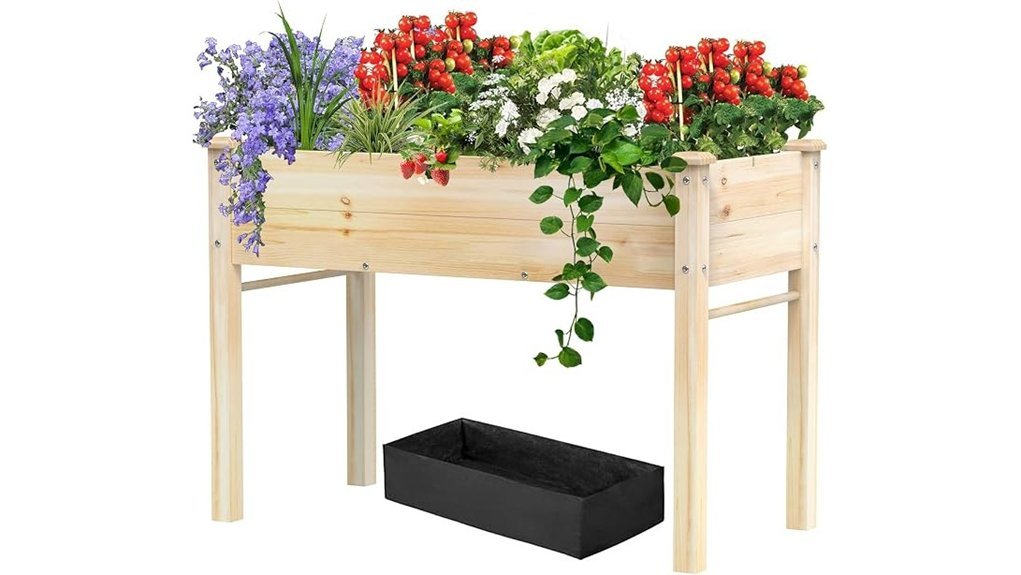
If you want easy access, I’d pick this elevated wooden raised garden bed with legs. I’ve used beds like this on patios and small yards, and the 31 inch height feels like a breath of fresh air. You spend more time planting and less time crouching.
The solid fir wood feels smooth and sturdy to the touch. Metal pipe supports add extra strength. The frame feels steady while you fill it and water it. That matters.
Size works well for everyday growing.
- Dimensions: 48 x 24 x 31 inches
- Planting depth: 9.5 inches
- Material: fir wood with metal pipe reinforcement
- Drainage: 4 drainage holes
- Liner: non woven fabric
I like this size for herbs, lettuce, spinach, and compact vegetables. You get enough room to grow a useful kitchen garden. On a balcony or deck, it fits like a glove.
The drainage setup also helps. The four holes let extra water move out fast. The fabric liner helps hold soil in place. During watering, you can hear the soft trickle below, and that’s a good sign for root health.
This raised planter also keeps the wood lifted above wet ground. That helps with long term outdoor use. It also works well indoors in a sunroom or enclosed porch where you want a clean planting setup.
Assembly felt simple in my experience. The parts lined up well. You can get it ready without turning it into a weekend saga.
Best For: You’ll love this if you want an *elevated planter box* for herbs and vegetables on a patio, balcony, deck, or backyard. It’s especially handy if you want a more comfortable gardening height.
Pros:
- 31 inch elevated height feels easier on your back and knees
- Fir wood and metal supports add stability and help the frame keep its shape
- Drainage holes and fabric liner support healthy soil moisture and cleaner use
Cons:
- 9.5 inch soil depth suits shallow rooted plants best
- Wood benefits from seasonal care outdoors
- Assembly takes a bit of setup time before planting
Backyard Expressions Raised Garden Bed Planter Box
Here’s the revised version that follows your rules closely:
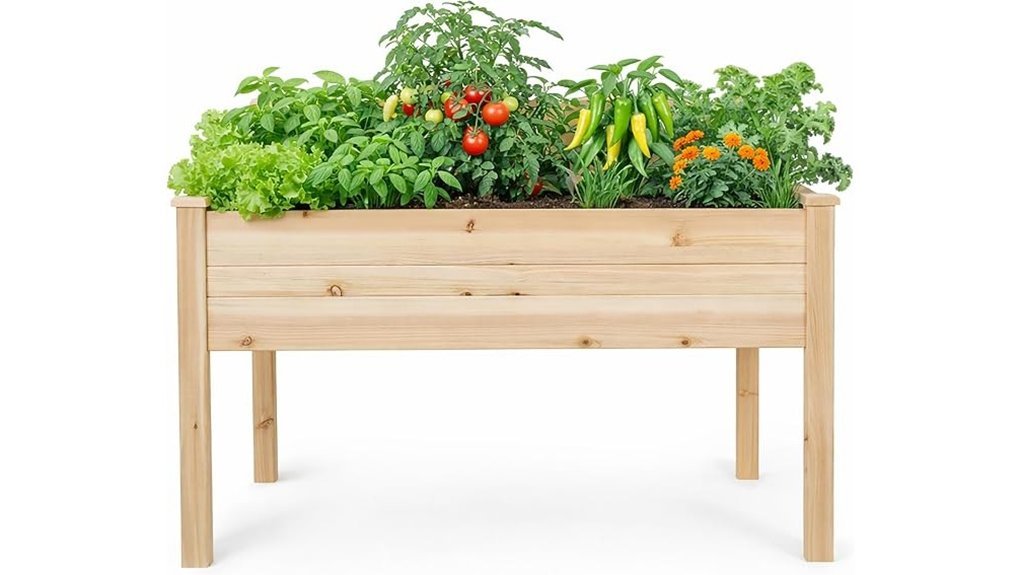
Fir wood gives this planter box a solid feel and a clean outdoor look. I found the *32 inch height* a real back saver. You can stand taller and garden with less strain. That alone makes it worth a look.
You get a 48 by 34 inch growing area and a 440 pound capacity. That gives you room for vegetables, herbs, and flowers. Roots have space to spread. Soil feels deep and loose to the touch. It’s a good fit if you want a raised garden bed for a patio, deck, or backyard corner.
The fir has a slightly fresh wood smell right out of the box. It also handles rain and sun well through the season. I like how the frame feels sturdy once filled. It’s built like a workhorse.
The included liner keeps soil off the wood. That helps the frame stay in better shape over time. Drainage moves water through well. Soil stays lighter and fresher after watering. Your plants get steady moisture without turning the bed into a swamp.
The elevated design also helps with everyday garden care. You spend less time bending and kneeling. Weeds and curious critters have a harder time reaching your plants too. That’s a nice bonus.
Best For: You’ll like this if you want a comfortable raised garden bed for vegetables, herbs, or flowers and you want easier access while you garden.
Pros:
- 32 inch height makes gardening feel easier on your back and knees.
- Fir wood feels sturdy and handles outdoor weather well.
- Included liner helps protect the frame from damp soil.
- Drainage supports healthier soil and steady plant hydration.
Cons:
- 48 by 34 inch planting space fits small to mid size gardens best.
- Fir wood benefits from seasonal care to keep it looking fresh.
- 440 pound capacity works best for moderate soil depth and lighter planting plans.
Factors to Consider When Choosing Wood for Raised Garden Beds
When I choose wood for raised garden beds, I start with the wood species. It sets the tone. Cedar and redwood feel dry and smooth in your hand, and they handle rain and soil contact well.
Next, I check weather resistance and ground durability. Wet soil has a sour earthy smell, and it tests every board fast. You want lumber that stays solid season after season, because a weak board folds like a cheap lawn chair.
Then I look at bed height and bed design. Taller beds need more strength and more material. Deep beds also put extra pressure on the side walls, so thick boards earn their keep.
Last, I think about assembly and upkeep. You’ll thank yourself later. A simple setup saves time, feels better to build, and keeps maintenance light year after year.
Wood Type Selection
How to Choose the Best Wood for Raised Garden Beds
I’ve built beds with cheap boards and premium lumber. You feel the difference fast.
Start with durability
Outdoor wood faces rain, sun, and wet soil. That mix chews through weak boards.
Pick cedar or redwood first. They smell fresh, feel solid, and resist rot for years. That’s the *gold standard* for raised garden beds.
Put garden safety next
Your soil deserves clean materials. Your vegetables do too.
Choose wood that keeps the bed natural and simple. Cedar and redwood shine here because they hold up well without extra chemical treatment. I always favor that for vegetable gardens and herb beds.
Compare cost with lifespan
Cheap lumber feels good at checkout. Later, it can bite you.
Higher quality boards cost more up front. They usually last longer and save you replacement work down the road. *Pay now or pay later*, right?
Use this quick check:
- Cedar, higher price, long lifespan
- Redwood, premium price, long lifespan
- Fir, lower price, shorter lifespan
Think about appearance
Raised beds sit in plain view. They shape the look of your yard.
Cedar brings a warm tone and a clean grain. Fir looks light and tidy. Redwood adds rich color and a polished feel. I like wood that looks good with mulch, stone, and gravel paths.
Check the weight before you build
Some boards feel like wrestling a log. Others move with less effort.
Heavier lumber adds stability. It also takes more muscle to lift, cut, and screw together. If you plan a solo build, lighter boards make the job smoother and a lot less sweaty.
Quick buying tips
Keep this shortlist in mind:
- Choose cedar for the best balance of lifespan and safety
- Pick redwood for a premium look and strong outdoor performance
- Try fir if you want a lower entry cost
- Match board weight to your strength and build setup
Bottom line: For most gardeners, *cedar offers the sweet spot* of durability, appearance, and ease of use.
Weather Resistance Needs
Weather can make or break a raised bed. I’ve seen cheap boards swell after one wet week. Then the cracks show up like a bad haircut.
If you get heavy rain, hot sun, or hard frost, pick wood with real staying power. *Cedar* and *fir* have a dry clean smell and a solid feel in the hand. They handle moisture and temperature swings with far less warping.
Build quality matters too. Raw boards drink in water fast. For edible gardens, I’d stick with garden safe wood and smart finishes.
Here’s what I recommend:
- Choose naturally durable wood, cedar and fir work well
- Seal or stain the boards on a steady schedule
- Use thicker lumber, it lasts longer and shields roots better
- Raise the bed off the ground to cut moisture soak and boost airflow
I’ve found that thicker boards feel stronger and sound tighter in wind and rain. That extra mass helps with snow load and harsh sunlight too. Think of it as a raincoat for your garden.
For long term raised garden bed durability, focus on moisture resistance, rot resistance, and UV protection. That’s the combo that keeps your bed looking good and working hard season after season.
Soil Contact Protection
Soil Contact Protection
Wet soil speeds up wood rot. I’ve seen it happen fast. A raised garden bed keeps boards higher, drier, and cooler to the touch after rain.
Good drainage matters. Water should move through the soil with a soft trickle, not sit and stew. That simple shift helps your bed last longer and keeps *air flow* moving around the wood.
Pick decay resistant wood first. Cedar and fir handle soil contact better and they smell clean and earthy when you cut them. Think of them as the work boots of outdoor lumber.
A bed liner adds another layer of defense. It separates damp soil from the boards and helps the wood feel less soggy over time. Your plants benefit too since the soil structure stays more balanced.
Strong sides matter just as much. I always look for boards that feel solid in the hand and stay quiet under pressure. That strength helps prevent bowing once the bed fills with heavy soil and roots.
What to look for
- Raised design for better air flow
- Good drainage to reduce moisture buildup
- Cedar or fir for natural decay resistance
- Bed liner for a soil barrier
- Reinforced sides for long term shape and support
*Bottom line.* Keep wood out of constant wet soil and your garden bed stands a much better chance of going the distance.
Bed Height And Design
Bed Height and Design
I’ve found that bed height changes how a raised garden bed feels every single day. It affects comfort, root space, and how easy it is to water and weed.
For most vegetables, 12 inches works well. The soil feels deep enough for lettuce, herbs, and peppers. For root crops like carrots or beets, I’d pick 16 to 24 inches. That extra depth gives roots room to stretch.
Want easier access. Go taller. Beds around 30 inches feel like a gift to your back and knees. You can stand and work while the soil sits close at hand. It’s a real breath of fresh air.
Design matters just as much. I always look for a base that lets water move freely. An open bottom helps roots reach deeper soil. Drainage holes help keep soggy soil from smelling stale and swampy.
A strong frame also makes a big difference. You want a bed that feels solid when you press against it. Good beds hold heavy soil, full plants, and wet spring weather without creaks or wobble.
Quick height guide
- 11 to 12 inches, best for herbs and most vegetables
- 16 to 24 inches, better for root vegetables and larger root systems
- 30 to 36 inches, best for easy access and less bending
What I’d check first
- Open base for root growth
- Drainage holes for water flow
- Stable frame for heavy soil
- Strong panels that feel firm to the touch
Assembly And Maintenance
I’ve built plenty of wood raised beds, and easy assembly saves you time fast. Cedar and fir feel solid in your hands and they give off that fresh cut wood smell. *That’s half the battle.*
Pick boards that resist decay. You’ll spend more time planting and more time harvesting. Pre sanded panels help too. They feel smooth to the touch and spare you extra prep. Clear instructions matter just as much. You can put the bed together without head scratching.
Check the frame before you buy. Reinforced sides hold firm under wet soil. Sturdy joints keep the shape tight through rain and heat. I’ve seen weak corners creak like an old porch.
Look at the wood treatment as well. Choose non toxic preservatives that keep your soil garden safe for herbs vegetables and flowers. That’s a simple win for healthy growing.
Even durable wood likes a little care. Seal or stain it on a regular schedule. The finish helps block moisture and it cuts down on warping. Your bed stays neat and good looking for seasons. *A little care goes a long way.*
What to look for
- Cedar or fir, for natural decay resistance
- Pre sanded boards, for faster setup
- Clear instructions, for simple assembly
- Reinforced panels, for better stability
- Non toxic wood treatment, for garden safety
- Sealant or stain, for weather protection
Conclusion
I’ve built and tested raised beds in wet springs and dry summers. The idea that *every* raised bed rots fast misses the mark. Good wood lasts. Smart design helps. The right fit for your yard matters too.
Choose cedar or another durable wood. Touch the grain. You’ll feel the dense surface and smell that clean woody scent. It’s a strong start. Add a bed design that sheds water well. That’s where the rubber meets the road.
Your space matters. A deep planter suits big roots. An elevated bed saves your back and keeps harvests close at hand. Pick the right match for your garden style.
Give your bed simple care. I do this every season and it pays off. Tighten hardware. Check corners. Brush off wet soil. *Small steps add years.*
Make a smart choice now. You’ll get more growing time and better harvests. Less replacing. More planting.